
FOSTORIA | Seneca County, OH Beekeeper Relocates Honeybees From Mennel Milling Grain Bin

Industrial worker inspecting large industrial structure in Fostoria area.

FOSTORIA | In July 2025, Josh Tolento, owner of The Mindful Beekeeper™ responded to a unique challenge in Fostoria, where a customer reported honeybees nesting inside the door of an exterior grain bin. Requiring a 20-foot climb, our team expertly used ropes to safely lower the comb and bee box to the ground. With precision and care, we successfully removed and relocated the bees to our thriving farm, ensuring their preservation while protecting the property.
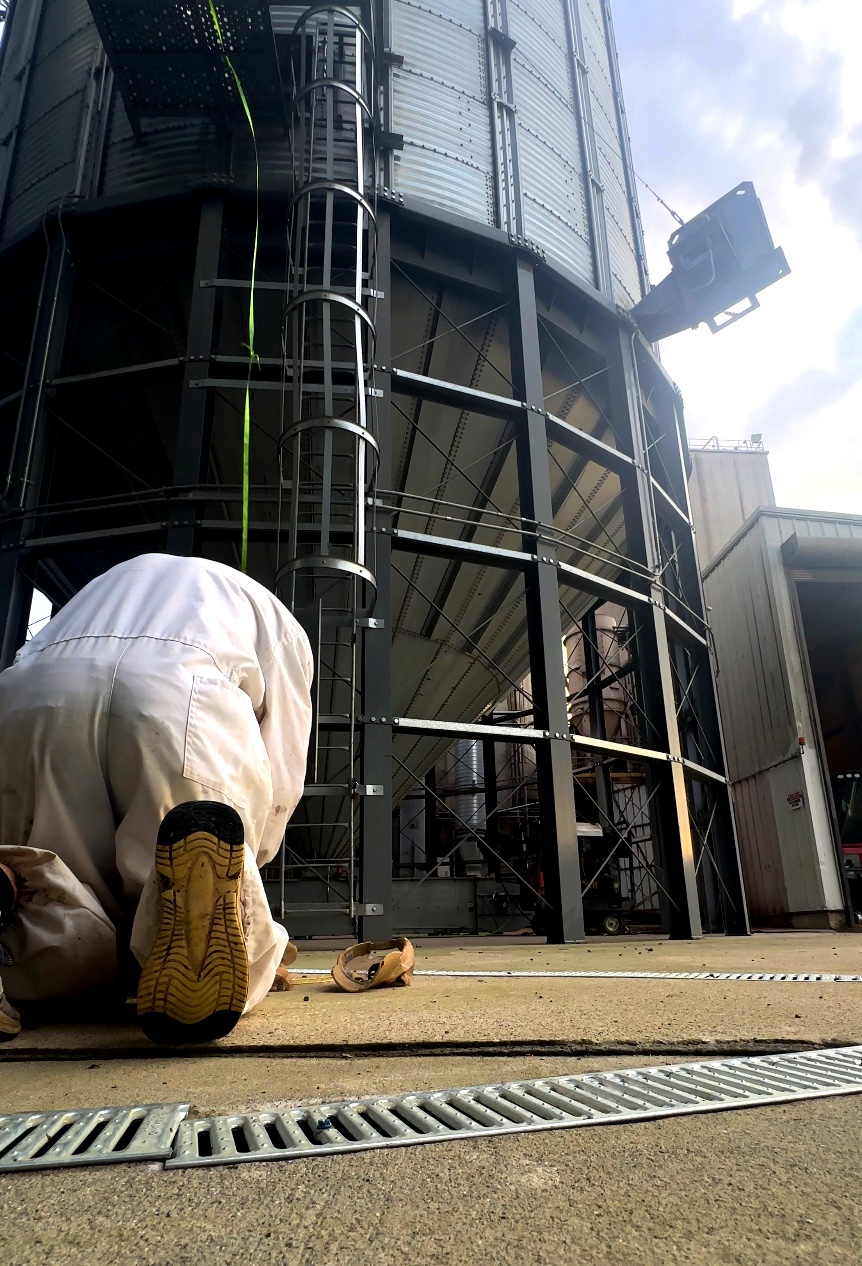
Steel beekeeping infrastructure at Apiary site, promoting sustainable hive management.

Staging

“At The Mindful Beekeeper, we take on challenging bee removal tasks with dedication and care. This image captures me in action during a July 2025 job in Fostoria, where I tackled a honeybee colony nestled inside the door of an exterior grain bin. Dressed in my protective gear, I’m seen crouching at the base of a towering 20-foot structure, preparing to use ropes to safely lower the comb and relocate the bees to our farm.”
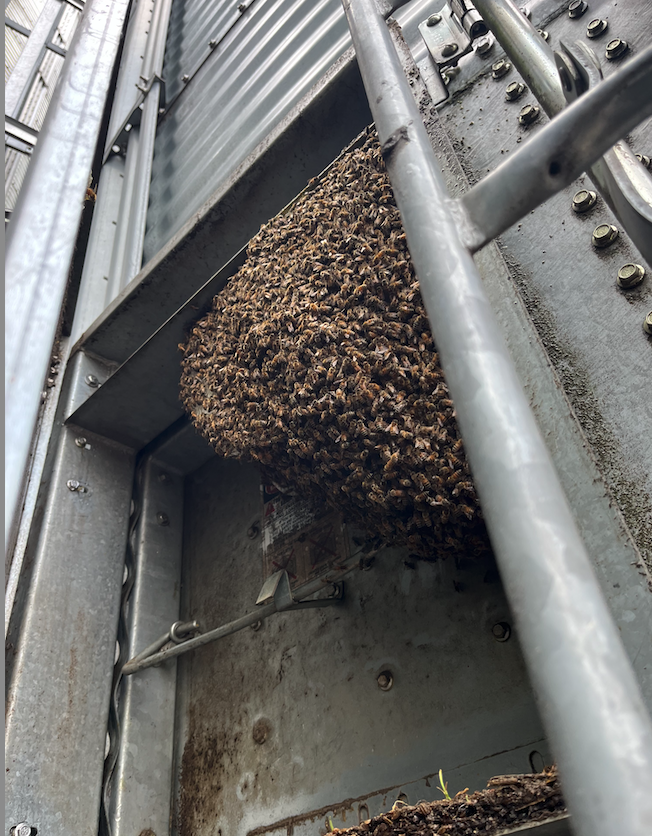
 

Beekeeper honeycomb harvesting in an automated hive system, emphasizing sustainable beekeeping practices.

The Colony

“I managed a honeybee colony housed inside the door of a grain bin, featuring 7 tightly packed layers of comb. Using cool mist water to calm the bees during extraction, I carefully removed over 20,000 bees and relocated them to our thriving farm, showcasing our dedication to preserving these vital pollinators while ensuring a safe and controlled process.”
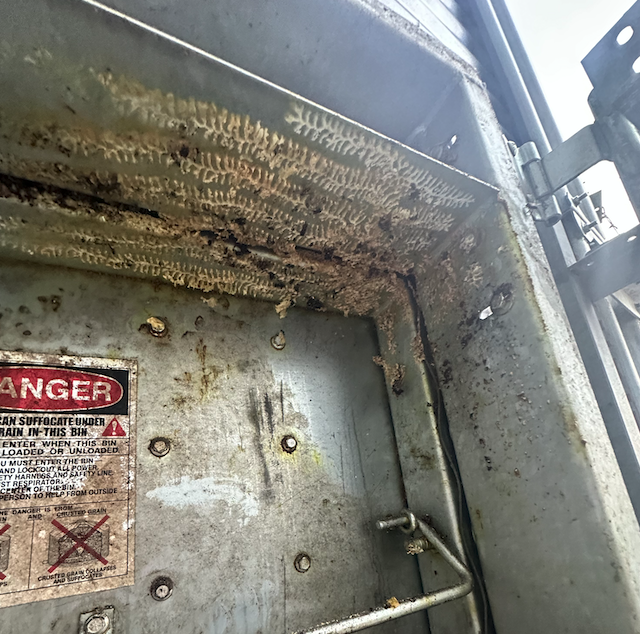
 

1. Dirty and rusted interior of beehive equipment with mold and corrosion.

After Removal

7 layers of comb can be seen at the top of the door where the remaining comb is still attached. The area was pressure washed & any beeswax scraped away to prevent re-infestation.
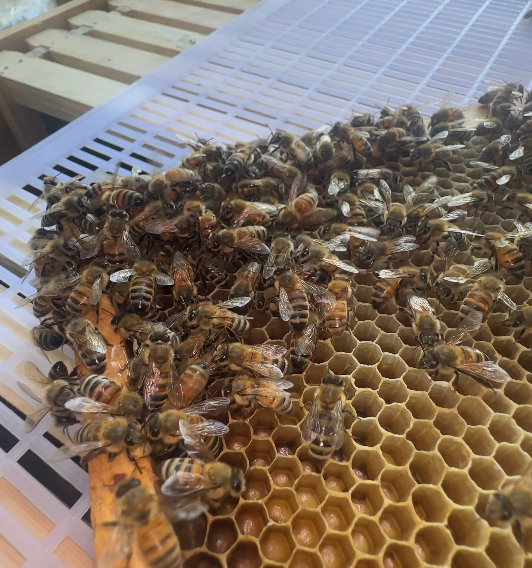
 

Busy honey bees working on hive frames at The Mindful Beekeeper farm.

Arrival at The Mindful Beekeeper™ Honey Farm

Once the bees were relocated, they were inspected and tested for mites. “This colony was one of the least aggressive colonies I have extracted this summer.”

Nighttime Structuring

“Darkness fell before I could restructure the colony into an acceptable hive for the bees. Therefore I used red light while I worked throughout the night.”
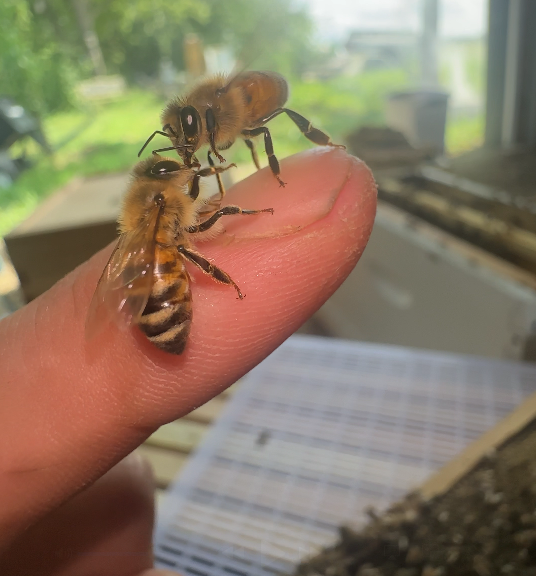
 

Busy bee pollinating on a human finger at The Mindful Beekeeper apiary.

New Home, Happy Bees

Did you know a honeybee will only produce 1/12 of a teaspoon of honey in it’s lifetime?

Homeowners can do a lot to help #savethebees

Homeowners can do a lot to help the bee population from declining by providing food, shelter, and a safer environment right in their own yards. Even a balcony, patio, or small lawn can become part of a larger network of “bee-safe” spaces that support both wild bees and managed honey bees.​

Plant for bees all season

Bees need nectar and pollen from early spring through late fall, not just during peak summer. Homeowners can help by:​

  • Planting a mix of flowers that bloom at different times of year, including early bulbs (like crocus), spring perennials, and late-flowering plants such as asters and goldenrod.​

  • Choosing mostly native plants, which tend to match local bees’ needs better than many exotic ornamentals.​

  • Planting in clusters or patches rather than single scattered plants, so bees can forage efficiently in one spot.​

Trees and shrubs are especially valuable: one flowering tree can provide as much food as a whole bed of small plants, so adding willows, maples, fruit trees, or other bee-friendly species is a powerful step if space allows.​

Reduce or eliminate chemicals

Many common lawn and garden products harm bees directly or weaken them over time. To make a yard safer:​

  • Avoid insecticides, especially systemic types and sprays used on blooming plants or just before they flower.​

  • Limit herbicides and allow some “weeds” like clover and dandelions to bloom, since they can be important food sources.​

  • If treatment is absolutely necessary, choose bee-safer options, apply them in the evening when bees are not flying, and keep sprays off flowers.​

Healthy soil and diverse plantings often reduce pest problems naturally, so shifting toward more organic, low-input gardening makes it easier to avoid harsh chemicals.​

Create nesting and shelter spaces

Many wild bees nest in the ground or in hollow stems, not in hives. Homeowners can support them by:​

  • Leaving some bare or lightly vegetated patches of soil in sunny, well-drained spots where ground-nesting bees can dig.​

  • Letting stems, twigs, and small brush piles remain through winter so cavity-nesting bees can use them, cutting back only in late spring.​

  • Adding simple bee houses with correctly sized, clean tubes, and placing them in a sheltered, sunny location.​

Providing shelter from wind and heavy rain—with hedges, shrubs, or dense plantings—also helps bees conserve energy while foraging.​

Offer clean water

Bees need water to drink, cool their nests, and dilute honey. A bee-friendly yard includes:​

  • A shallow “bee bath,” such as a dish, plant saucer, or bird bath with stones, pebbles, or corks for safe landing spots.​

  • Regularly refreshed water to prevent mosquitoes and keep the source clean.​

Position the water where it gets some sun but does not overheat, and keep it in the same place so bees learn to rely on it.​

Rethink the lawn

Conventional lawns offer very little for pollinators. To turn them into bee habitat:​

  • Replace parts of turf with native flowers, flowering groundcovers, or mixed meadow-style plantings.​

  • Mow less often and at a slightly higher setting to allow clover, violets, and other low flowers to bloom.​

  • Consider “bee lawns” that blend drought-tolerant grasses with flowering species like white clover and self-heal.​

Even leaving one corner of the yard “messy” and unmown can provide vital forage and nesting spots.​

Support wider pollinator efforts

Individual yards are powerful, but networks of bee-friendly spaces are even better. Homeowners can:​

  • Talk with neighbors or homeowner associations about reducing pesticide use and planting more pollinator-friendly plants in common areas.​

  • Join local or national “bee-friendly garden” or certification programs to access plant lists, signage, and community support.​

  • Share observations through citizen science projects that track bee sightings, helping scientists monitor pollinator health.​

By combining diverse plantings, fewer chemicals, nesting habitat, and clean water, homeowners can transform ordinary spaces into refuges that genuinely help bees survive and thrive.
