The Freudian Horror of Sesame Street & Psychoanalytic Dog People
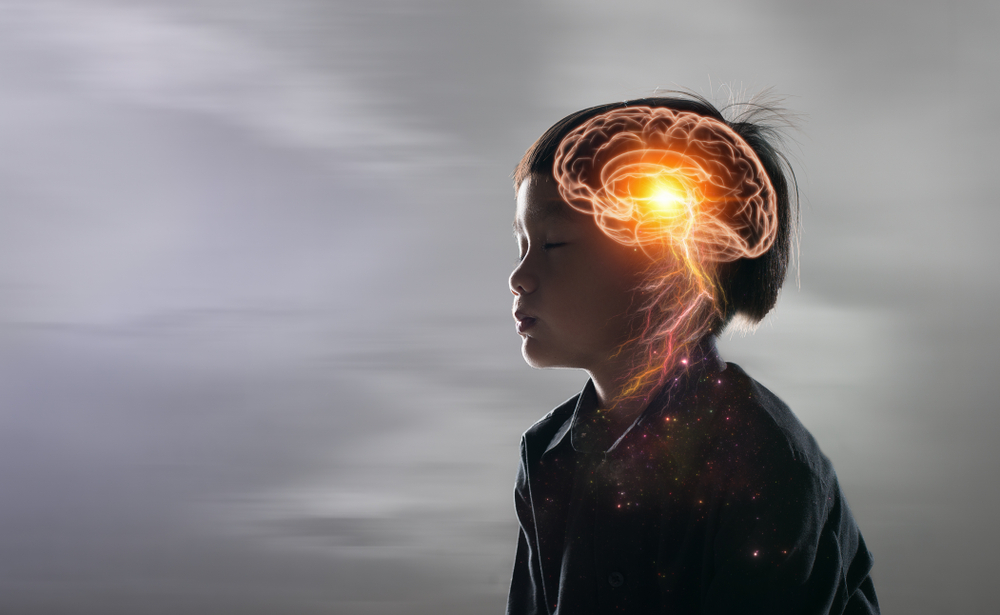
Freudian horror uses psychoanalytic concepts like repression, the uncanny (das Unheimliche), doppelgängers, and taboo desires (the Id) to create psychological dread, focusing on familiar things becoming terrifying as hidden trauma and forbidden impulses resurface, often through doubles, dolls, or distorted family dynamics, making the horror internal and deeply unsettling rather than just external threats. It taps into primal fears of castration, the monstrous feminine, and the return of the repressed, making the familiar feel alien and threatening.
Whoever Had the Idea of Putting a Big Terrifying Bird on TV for a Kids Show?
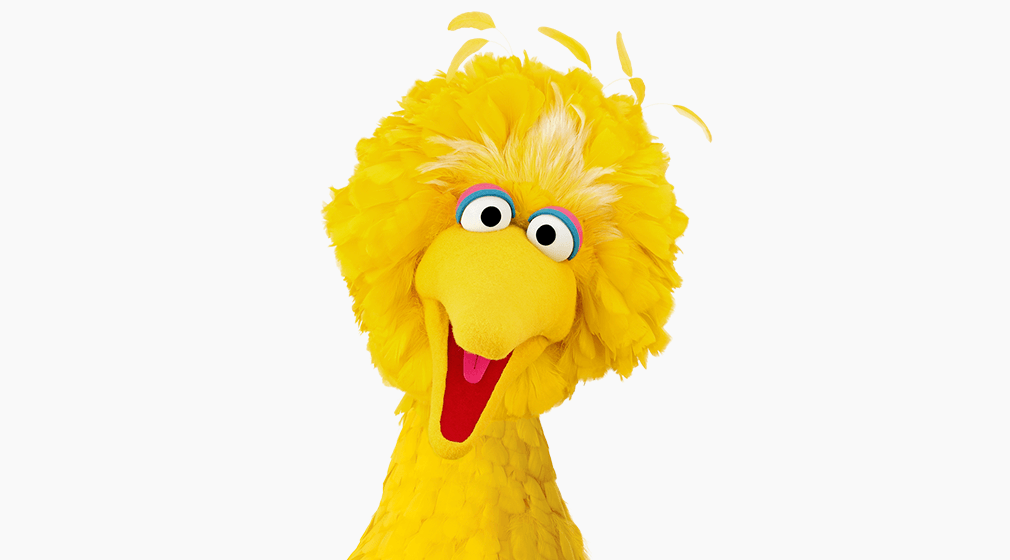
Ah, Sesame Street—the beloved educational powerhouse that’s taught generations about letters, numbers, and the importance of sharing. But let’s be real: Whoever dreamed up the idea of plopping a massive, googly-eyed yellow bird front and center in a show for toddlers deserves a medal… or maybe a therapy session. I’m talking about Big Bird, that 8-foot-tall feathered giant who was supposed to be cuddly but ended up haunting my childhood nightmares. And don’t get me started on those “Dog people”—you know, the oversized, floppy-eared pups and mammoth creatures that lumbered around like they owned the block. If you were a kid in the ’80s or ’90s, you get it: These weren’t just puppets; they were unintentional horror icons.
The Birth of a Feathered Fright
It all started back in 1969 when Jim Henson and his team at Sesame Workshop decided kids needed a relatable character who was, uh, a colossal canary. Big Bird was designed to represent the innocence of a 6-year-old, complete with wide-eyed wonder and a nest on Sesame Street. But come on—towering over everyone at over 8 feet, with those spindly legs and a beak that could peck through a phone book? To a tiny tot glued to the TV, he looked less like a friend and more like a escaped zoo exhibit ready to snatch you up for a “hug.” I remember hiding behind the couch every time he waddled on screen, convinced he’d burst through the TV like some avian Kool-Aid Man. Personal confession: My fear was so real that I once refused to eat scrambled eggs, associating them with Big Bird’s potential revenge.
Why Big Bird Gave Us the Heebie-Jeebies
Psychologists have a field day with this. Kids’ brains are wired to fear the unfamiliar, and Big Bird checks all the boxes: unnatural size, bright colors that scream “predator camouflage fail,” and movements that were just a tad too jerky thanks to the puppeteering tech of the era. Sure, he sang sweet songs about the alphabet, but that voice? A mix of cheerful falsetto and something that echoed like a distant thunderclap. Memes today capture it perfectly—Big Bird kicking down doors or lurking in shadows, turning our childhood icon into a viral villain. If the goal was to teach resilience, mission accomplished; I learned to face my fears… by changing the channel.

And Then There Were the “Dog People”
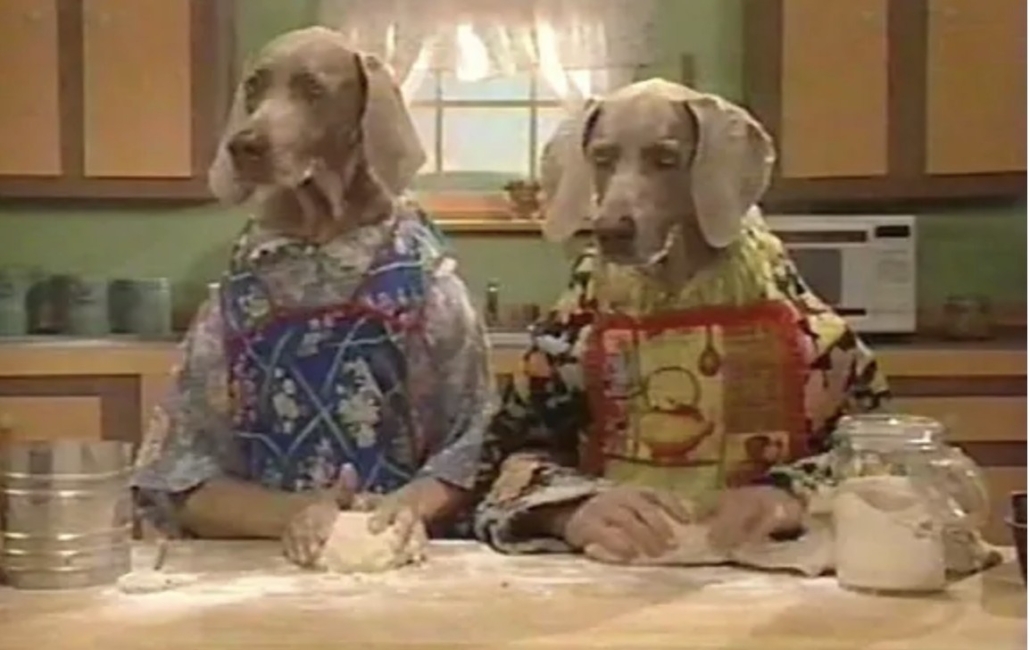
Oh, the “Dog people”—those shaggy, anthropomorphic beasts that made Sesame Street feel like a bizarre petting zoo gone wrong. Take Barkley, the massive orange mutt who bounded around with endless energy, slobbering and barking like he was auditioning for a werewolf role. He was supposed to be adorable, but to my young eyes, he was a furry freight train ready to tackle anyone in sight. And let’s not forget Snuffleupagus, Big Bird’s “imaginary” friend who turned out to be real—a enormous, woolly mammoth-dog hybrid with eyelashes longer than my attention span. Snuffy’s slow, rumbling voice and sheer bulk made him the stuff of bedtime terrors. Why pair a giant bird with even bigger dog-like pals? It was like the creators thought, “Kids love animals… let’s supersize ’em and see what happens!” Spoiler: What happened was a generation of us clutching our blankets tighter.
The Legacy of Lovable Terrors
Looking back, it’s hilarious how these characters, meant to foster learning and laughter, accidentally doubled as bogeymen. Sesame Street has evolved—Big Bird’s still around, but with smoother animations and less intimidating vibes. Yet, the fear factor lingers in pop culture, from horror parodies to adult confessions online. Whoever had the bright idea (shoutout to Joan Ganz Cooney and the Henson crew), thanks for the memories… and the mild PTSD. If you’re a parent now, maybe warn your little ones: That big bird isn’t coming for you—he’s just here to count to 10.