
Starbucks to Shutter Around 400 Stores Amid Ongoing Labor Turmoil and Slumping Sales
In a move that feels almost poetic amid the relentless wave of barista strikes—where employees demand wages that, in their view, outpace what many first responders like police officers and EMS personnel earn for far riskier work—Starbucks has announced plans to close roughly 400 locations across the U.S., primarily in overcrowded urban markets.
The coffee giant, long criticized for serving up what many aficionados dismiss as overroasted, burnt-tasting brews to mask lower-quality beans, is pulling back after years of aggressive expansion. CEO Brian Niccol’s “Back to Starbucks” turnaround plan includes axing underperforming stores, remodeling others, and focusing on “fewer, stronger locations” starting in 2026. This comes as part of a broader $1 billion restructuring effort that has already seen corporate layoffs and store shutdowns, including dozens in cities like New York and Los Angeles.
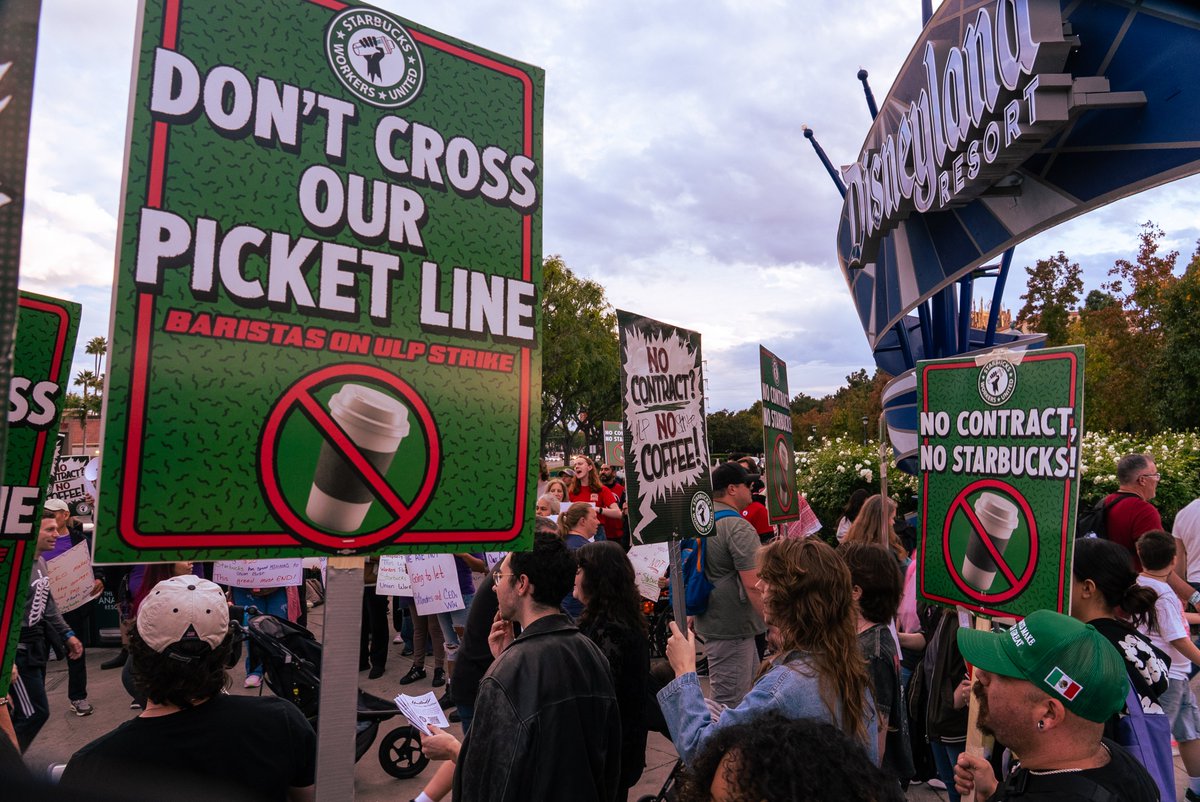
The timing couldn’t be more pointed, with Starbucks Workers United escalating an open-ended strike that began in November 2025 and has spread to hundreds of stores nationwide. Baristas are pushing for higher pay, better staffing, and a first-ever union contract after years of stalled negotiations. While the company insists it offers competitive wages (around $15–$17 per hour starting in many areas, plus benefits), critics note that these demands come as essential workers in public safety often start at comparable or slightly higher rates—but without the luxury of slinging lattes in air-conditioned cafes.
On the sourcing front, Starbucks touts nearly 99–100% “ethically sourced” coffee through its in-house C.A.F.E. Practices program, often verified by third parties like Rainforest Alliance. The company claims this ensures fair treatment of farmers and environmental standards. However, persistent criticisms and lawsuits allege that some suppliers still face issues like labor abuses, casting doubt on whether the beans are truly specialty-grade or more commodity-level—especially given the chain’s signature dark roasts, which experts say can hide defects in lower-quality lots.
As Starbucks trims its footprint in saturated areas hit by remote work trends, rising costs, and shifting consumer habits (including backlash over high prices), the closures represent just a small slice of its 18,000+ North American stores. The company plans new openings and remodels down the line, but for now, fewer green sirens will dot city streets. Whether this rights the ship amid labor unrest and quality gripes remains to be seen.
