

The Poop-to-Face Connection: The Hidden Dangers on Your Hands
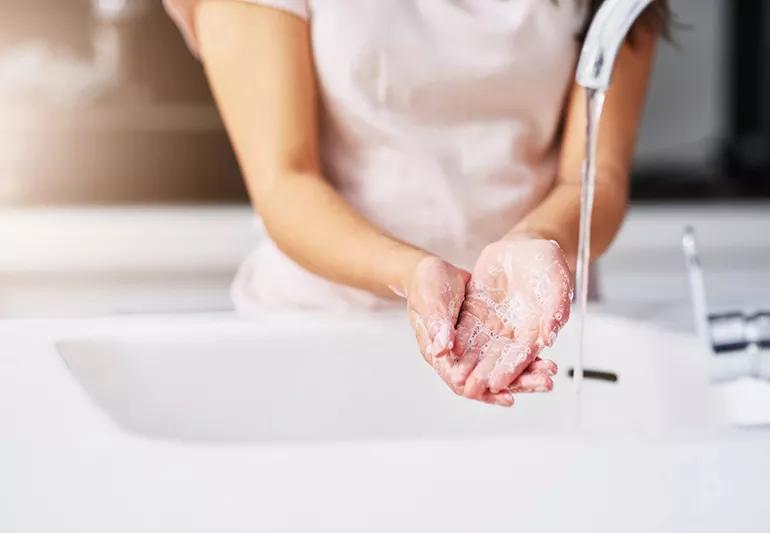
Why To Wash Your Hands After Using the Bathroom
The Hidden Dangers on Your Hands
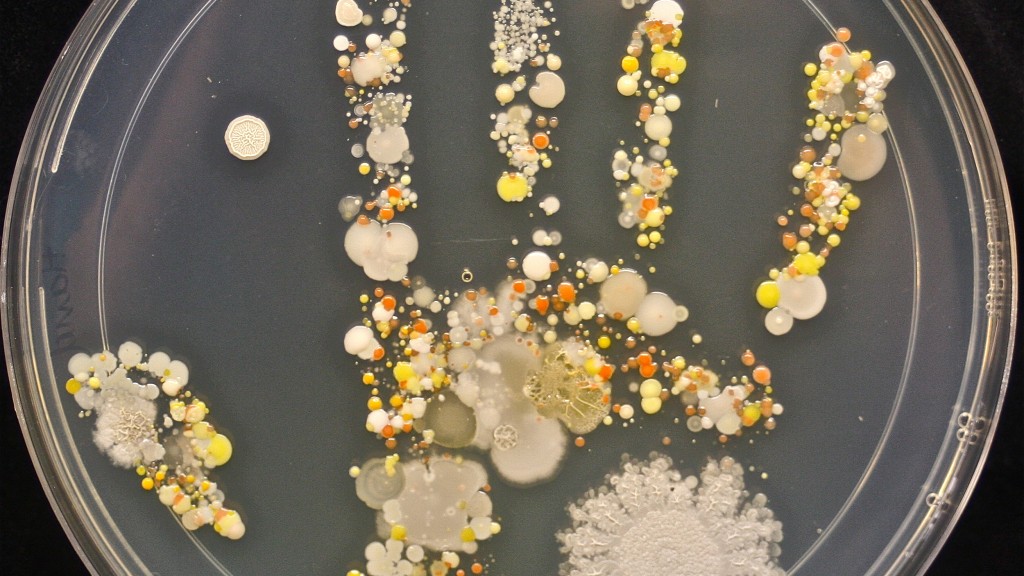
When you wipe after using the bathroom, traces of fecal matter—containing billions of bacteria, viruses, and other pathogens—can linger on your skin even if everything looks clean. Studies have found that without hand washing, up to 44% of hand samples contain bacteria of fecal origin, such as Enterococcus and Enterobacter species. A single gram of human feces can harbor a trillion germs, and not washing means these microbes hitch a ride on your hands, ready to spread. Everyday items like phones, doorknobs, and credit cards are often contaminated with fecal matter for this very reason.
How Often Do We Touch Our Faces?
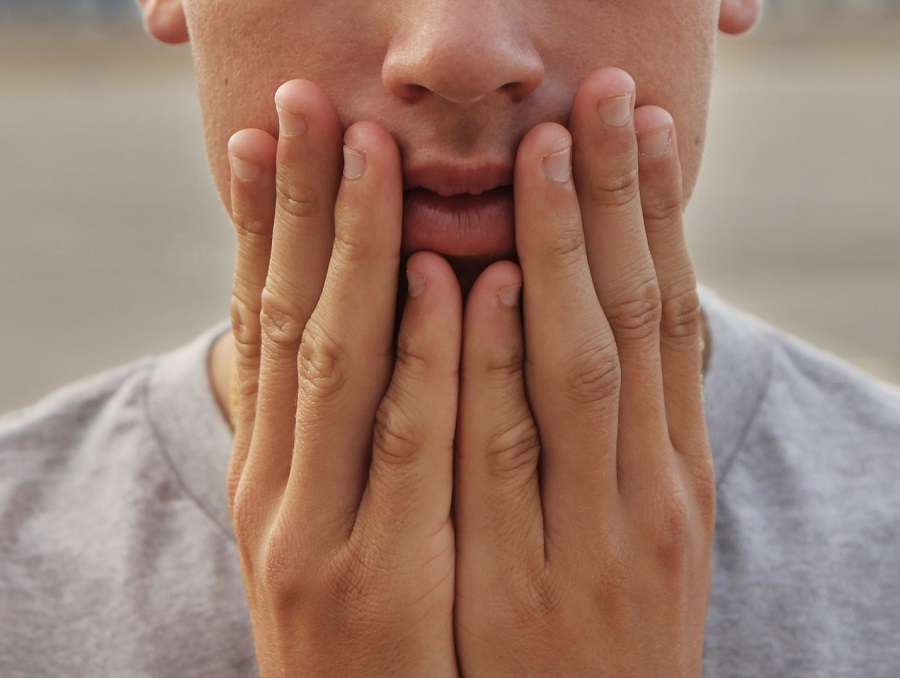
Here’s where it gets really eye-opening: On average, people touch their faces about 23 times per hour. Assuming you’re awake for 16 hours a day, that adds up to roughly 368 touches daily. Many of these are subconscious—rubbing your eyes, scratching your nose, or resting your chin in your hand. During activities like eating or talking, the frequency can spike even higher. Some studies report variations, with touches ranging from 3 to 26 times per hour, but the consensus points to a significant habit that opens the door to germ transfer.
The Poop-to-Face Connection
If your hands carry fecal bacteria and you’re touching your face hundreds of times a day, the math is simple: You’re potentially smearing micro-pieces of poop onto your skin, eyes, nose, and mouth multiple times daily. This fecal-oral route is a primary way diseases spread, including E. coli infections, norovirus, and even antibiotic-resistant “superbugs.” Not washing after pooping has been linked to higher risks of these illnesses, as poop particles are the likeliest source of transmission. It’s not just about visible dirt; these invisible contaminants can lead to gastrointestinal issues, skin infections, or worse.
Why This Matters for Your Health
Beyond the “ick” factor, poor hand hygiene contributes to widespread illness. The CDC emphasizes that washing hands prevents the spread of germs from feces, which can cause everything from mild stomach bugs to serious outbreaks. In fact, not washing hands after diaper changes or toilet use can contaminate surfaces and lead to cross-infection in households. During pandemics or flu seasons, this habit exacerbates the problem, as face-touching transfers respiratory viruses too.
Simple Steps to Break the Cycle
The good news? Proper hand washing can eliminate up to 99% of these risks. Use soap and water for at least 20 seconds, scrubbing all surfaces—including under nails and between fingers. If soap isn’t available, hand sanitizer with at least 60% alcohol works in a pinch, though it’s less effective against some fecal pathogens. Make it a non-negotiable habit after every bathroom visit, and try mindfulness techniques to reduce unconscious face-touching, like keeping tissues handy or wearing glasses as a barrier.
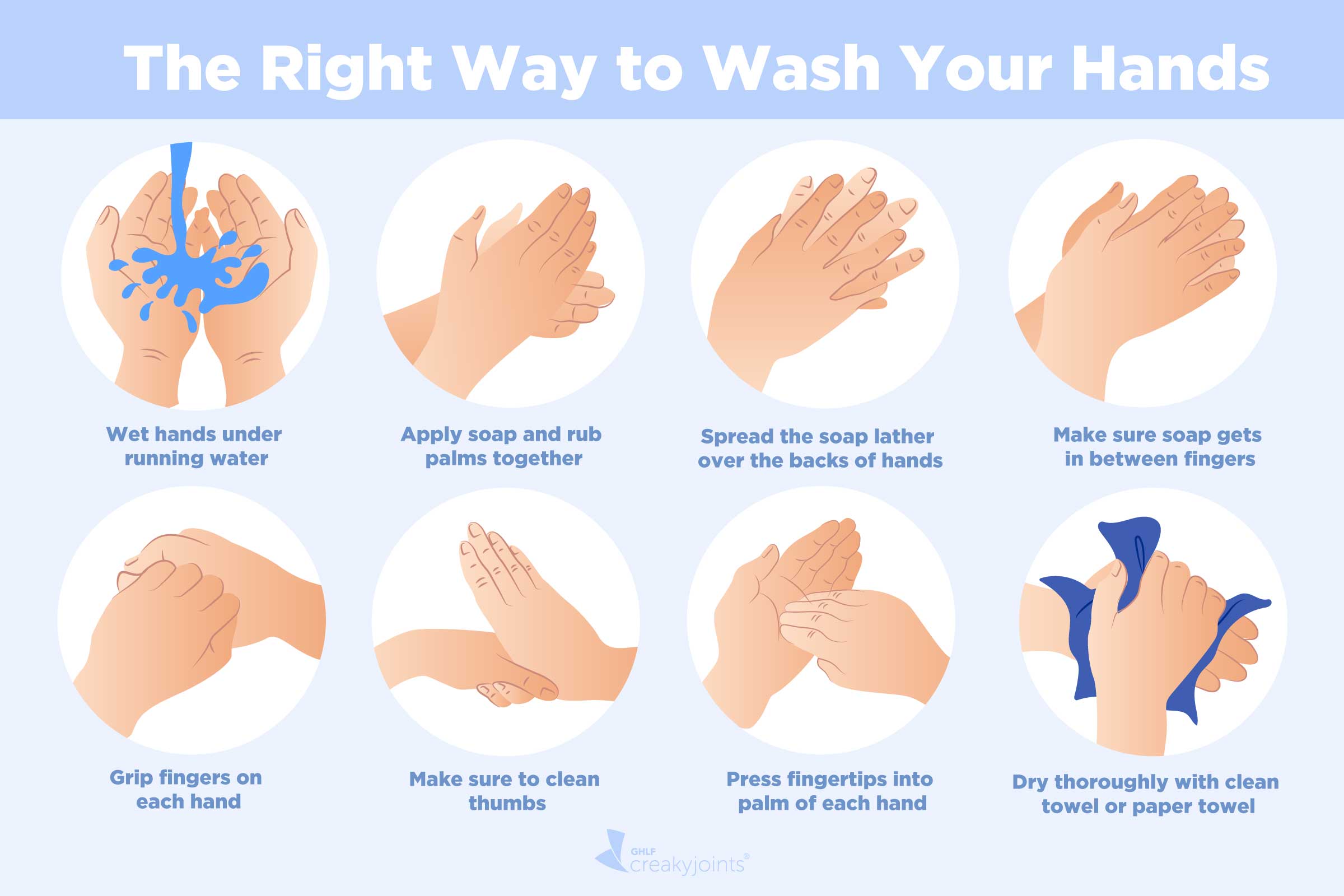
In a world full of germs, a little soap goes a long way. Next time you’re tempted to skip the sink, remember: Your face (and health) will thank you for that extra 20 seconds. Stay clean out there!


