

McLawsuit: 100% Pork, 0% Ribs? The Sandwich Lawsuit No One Saw Coming
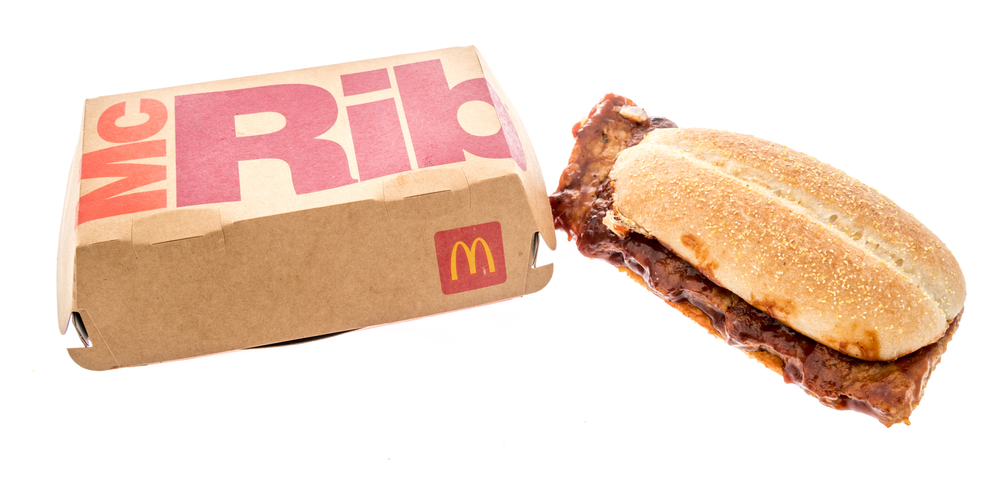
McDonald’s is facing a new federal class-action lawsuit claiming its popular McRib sandwich misleads customers by implying it contains premium pork rib meat, while plaintiffs allege it contains none. McDonald’s firmly denies the accusations, insisting the McRib is made from 100% real pork and calling the lawsuit’s claims false and misleading.
What the lawsuit claims
Four plaintiffs filed the suit in the U.S. District Court for the Northern District of Illinois on December 23, 2025, seeking class-action status on behalf of McRib buyers across the U.S. They argue that the sandwich’s name, “McRib,” its rib-like patty shape, and its marketing lead reasonable consumers to believe they are getting actual pork rib meat.
According to the complaint, the patty is allegedly made from “lower-grade” pork parts, including pork shoulder, heart, tripe, and scalded stomach, rather than rib meat. The plaintiffs say they would not have bought the McRib—or would have paid less—had they known it contained no true rib meat.
Why “rib meat” matters
The lawsuit leans heavily on the idea that rib meat is perceived and priced as a premium cut.
-
The filing cites U.S. Department of Agriculture market data indicating pork rib cuts (like baby back or spare ribs) command higher prices than many other pork cuts.
-
Plaintiffs claim McDonald’s leverages the word “Rib” and the cult status of the sandwich to charge a higher price, with some McRib sandwiches reportedly costing up to around $7.89 before tax at certain locations.
In their view, calling the product “McRib” while using restructured non-rib pork amounts to deceptive marketing and a “deliberate sleight of hand.”
McDonald’s response
McDonald’s has publicly rejected the lawsuit’s assertions and says the case “distorts the facts.”
-
The company maintains that the McRib patty is made from 100% real pork sourced from U.S. farmers and suppliers.
-
McDonald’s specifically denies that hearts, tripe, or scalded stomach are used in the sandwich, calling those allegations false.
The company also emphasizes that it has “always been transparent” about ingredients and that food quality and safety are central to its brand.
Legal theories and what plaintiffs want
The complaint asserts several legal theories common in modern food-labeling litigation.
-
Plaintiffs allege misrepresentation, fraudulent omission, breach of warranty, and unjust enrichment linked to the “McRib” name and marketing.
-
They seek compensatory damages, restitution for consumers who purchased the sandwich, and injunctive relief to stop McDonald’s from using allegedly deceptive naming or advertising going forward.
If the court certifies the class, the case could affect consumers nationwide who bought the McRib during the relevant period, though the suit does not yet resolve whether the marketing actually violates consumer-protection laws.
What this means for consumers
For now, the lawsuit is an allegation, not a finding of wrongdoing, and McDonald’s continues to defend both the product and its marketing.
-
The case highlights how product names, shapes, and implied imagery—like a rib-shaped patty—can be as important as ingredient lists in shaping consumer expectations.
-
It also fits into a broader wave of lawsuits challenging how big brands label or promote foods, particularly when there is a gap between what consumers think a product name implies and what the fine print or formulation actually is.
Until a court rules, the dispute centers on a fundamental question: does calling a restructured pork sandwich “McRib” reasonably suggest actual rib meat, or is it simply brand naming that consumers should not take literally?



Leave a Reply
Want to join the discussion?Feel free to contribute!