New Ohio Law Sends 36% of Cannabis Dispensary Excise Tax Revenue to Local Municipalities

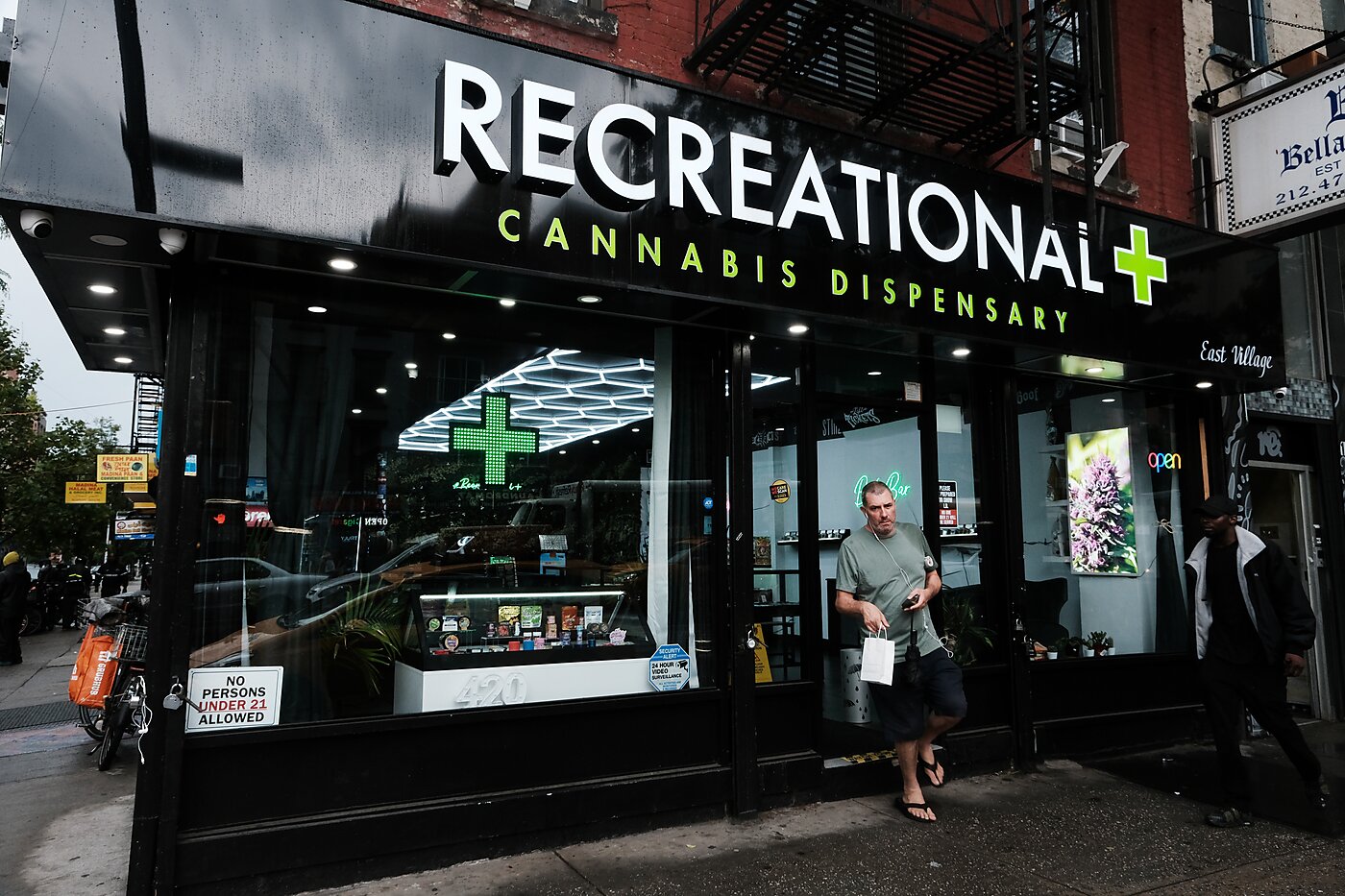
On December 19, 2025, Ohio Governor Mike DeWine signed Senate Bill 56 (SB 56) into law, marking a significant update to the state’s recreational cannabis framework established by voter-approved Issue 2 in 2023. This new legislation not only addresses long-standing issues with tax revenue distribution but also introduces stricter controls on cannabis products and bans unregulated “intoxicating hemp” items. At its core, the law ensures that 36% of the 10% excise tax revenue from dispensary sales flows directly to local municipalities and townships hosting recreational dispensaries, potentially unlocking over $80 million in previously withheld funds.

Background: From Voter Approval to Revenue Stalemate

Ohio’s journey with recreational cannabis began when voters passed Issue 2 in November 2023, legalizing possession, cultivation, and sales for adults 21 and older. The initiative imposed a 10% excise tax on cannabis sales, in addition to standard state and local sales taxes. Originally, the revenue was allocated as follows:

  • 36% to the Host Community Cannabis Fund for municipalities with dispensaries.
  • 36% to a Cannabis Social Equity and Jobs Fund to support communities disproportionately affected by past drug policies.
  • 25% to a Substance Abuse and Addiction Fund.
  • 3% to the Division of Cannabis Control for administrative costs.

Recreational sales launched on August 6, 2024, generating substantial revenue—estimated at nearly $50 million annually for host communities alone. However, a technical loophole in the law—no explicit legislative appropriation—led to the state withholding distributions. By mid-2025, this created friction, with local governments in limbo and over $80 million in collected taxes sitting undistributed. Republican-led efforts to amend the law stalled repeatedly over debates on hemp regulation and funding priorities.

SB 56: Key Provisions on Revenue and Beyond

SB 56 resolves the distribution impasse by providing the necessary appropriation, allowing the release of withheld funds starting 90 days after signing (around March 19, 2026). The bill maintains the 10% excise tax rate and preserves the 36% allocation to the Host Community Cannabis Fund, ensuring local governments with dispensaries receive their share in perpetuity. This could provide a financial boon to municipalities, funding infrastructure, public safety, or other local needs.

However, the law significantly alters the remaining allocations. Instead of dividing the other 64% among social equity programs, substance abuse initiatives, and administration, it redirects most of these funds to Ohio’s general revenue fund. This shift has drawn criticism from advocates who argue it undermines the voter intent behind Issue 2’s equity focus.

Beyond revenue, SB 56 introduces sweeping reforms:

  • Hemp Ban: Prohibits sales of “intoxicating hemp” products (e.g., delta-8 THC edibles or beverages) outside licensed dispensaries, aligning with federal changes. Governor DeWine vetoed a provision that would have allowed THC-infused drinks to continue for a year, accelerating the ban.
  • THC Limits: Caps THC content in flower at 35% and extracts at 70% (down from 90%), aiming to reduce potency.
  • Public Use and Penalties: Bans public consumption and adds criminal penalties for certain possession violations.
  • Dispensary Caps and Buffers: Limits total dispensaries to 400 statewide and requires buffers from schools, playgrounds, and churches.
  • Oversight: Places adult-use marijuana under the Division of Cannabis Control for stronger regulation.
Impact on Local Municipalities and the Industry

For local governments, the 36% share represents a critical influx. Communities like Wintersville have voiced frustration over the delay, with officials noting the funds could support essential services. With sales booming—Ohio dispensaries reported over $200 million in recreational revenue in the first year—the annual payout could exceed $50 million for host areas.

The hemp ban, however, could disrupt small businesses. Critics, including hemp advocates, argue it destroys livelihoods just before the holidays, potentially driving consumers to unregulated markets. Opponents have vowed repeal efforts, citing the veto on beverages as particularly manipulative.

Public Reaction and Future Outlook

Reactions on social media platform X highlight a divide. The Ohio Senate GOP praised the bill for protecting children and communities, while others decried it as overreach, potentially boosting black-market sales. Advocacy groups like Ohio Advocates for Medical Freedom called the timing “diabolical,” and resources from Ohio State University’s Drug Enforcement and Policy Center have been updated to reflect the changes.

As Ohio navigates these reforms, the law balances revenue distribution with tighter controls, but it may face legal challenges or further amendments. For now, local municipalities stand to gain significantly, even as the broader cannabis landscape evolves.


If Signed, SB56 “Marijuana Cleanup” enacts major changes to Ohio’s cannabis laws

Ohio’s marijuana “cleanup” legislation is Senate Bill 56, not House Bill 56, and it makes broad changes to adult‑use, hemp, paraphernalia, and home‑grow rules; many details are still in flux because advocates and some lawmakers are pushing for changes before final enactment. The points below reflect what SB 56, as analyzed in official and advocacy summaries, is written to do, not what courts or regulators might eventually allow. IF signed by Governor DeWine, the following items are enacted.

Things that become illegal or more restricted

  • Smoking, combusting, or vaporizing marijuana (including adult‑use, homegrown, and intoxicating hemp) in public places becomes prohibited as a minor misdemeanor; use is restricted largely to private residential or agricultural property.

  • Smoking, combusting, or vaporizing marijuana or intoxicating hemp in vehicles, streetcars, watercraft, or aircraft carries enhanced penalties compared with current law.

  • Smoking or vaping marijuana in rental housing can be banned by lease, and violating a lease that prohibits marijuana smoking, combustion, or vaporization can be an offense under the bill’s public‑use rules.

  • Transporting marijuana products or paraphernalia outside the “original, unopened packaging” or not stored in the trunk or a similar inaccessible area of a vehicle becomes an offense; opened products accessible to the driver or passengers can trigger a minor misdemeanor.

  • Possession and sale of cannabis paraphernalia (rolling papers, blunt wraps, pipes, water pipes, dab tools, jars, etc.) are no longer broadly allowed for adults 21+; instead, only items specifically authorized by regulators are legal, and sale is largely limited to licensed marijuana businesses.

  • Non‑approved smoke shops and convenience stores would be barred from selling most “smoke shop” accessories intended for cannabis use (water pipes, dab tools, rolling papers marketed for cannabis, etc.); selling these outside the regulated channel becomes unlawful.

  • Transferring adult‑use or homegrown marijuana by an unlicensed person, with or without payment (including gifting), is prohibited; only licensed entities may legally transfer cannabis.

  • Cultivating, growing, or possessing homegrown marijuana on behalf of another person is prohibited, closing the door to “caregiver”‑style grow setups outside the licensed system.

  • Cultivating homegrown marijuana at certain locations (childcare homes, recovery houses, halfway houses, and similar protected settings) becomes illegal.

  • Growing more than six plants in a household becomes a more serious offense than under the voter‑approved framework; penalties for more than six plants are increased, especially above the former 12‑plant ceiling.

  • Many intoxicating hemp products (high‑THC delta‑8, THCA flower converted to high‑THC, etc.) face new prohibitions outside the regulated marijuana or limited hemp retail channels, with penalties for unlicensed sales.

  • Some high‑potency cannabis products become effectively illegal to sell: THC in concentrates/extracts is capped at about 70% instead of the 90% range allowed by Issue 2, and plant material is limited to around 35% THC.

What happens to blunt papers, rolling papers, pipes, etc.

  • Issue 2 allowed adults 21+ to possess, make, and sell paraphernalia like rolling papers, pipes, bongs, jars, and other accessories; SB 56 repeals this broad protection.

  • Regulators are directed to define which paraphernalia is permitted for medical, adult‑use, and homegrown cannabis, and paraphernalia outside that approved list becomes illegal to sell or possess for marijuana use.

  • The bill appears to confine legal paraphernalia sales mainly to licensed dispensaries and other regulated marijuana licensees, shutting down general‑retail sale of “weed gear” such as water pipes, dab tools, and many rolling products marketed for cannabis.

  • Because Ohio’s general drug‑paraphernalia statute already criminalizes possession or distribution of items intended for drug use, the repeal of Issue 2’s paraphernalia protections means that common items like pipes, papers, and certain containers can again be treated as illegal “drug paraphernalia” if linked to cannabis.

Changes to home cultivation and possession rules

  • Home grow remains legal but is tightened: the bill reduces or clarifies home‑grow limits to six plants per residence (some summaries say six per person or 12 per household, but the bill analysis emphasizes a six‑plant household cap), which is a reduction from the 12‑plant household limit approved by voters.

  • Homegrown cannabis cannot be cultivated at childcare homes, recovery residences, halfway houses, or other specified facilities, even if the resident is otherwise eligible to grow.

  • Homegrown cannabis must be for personal use only; growing for others is prohibited, and any transfer of homegrown cannabis by an unlicensed person is banned, including gifting.

  • Seeds, live plants, and clones that are being grown in compliance with the home‑grow provisions are excluded from possession‑weight limits, but exceeding plant limits or possessing processed product beyond legal possession amounts can still trigger offenses.

  • Adult‑use and medical programs are merged under a single regulatory framework, consolidating oversight in the Division of Cannabis Control.

  • The voter‑approved cannabis social equity and jobs fund and some related programs are eliminated, with excise tax revenue redirected to other state funds and “host community” distributions.

  • THC limits are reduced: plant products are capped around 35% THC, and concentrates/extracts are capped around 70%, with regulators barred from approving new forms beyond those listed in statute.

  • Transportation rules are tightened so that both cannabis and paraphernalia must be stored in specific parts of a vehicle and often in original packaging when not in use; violations carry minor‑misdemeanor penalties but can still be used as probable‑cause hooks in traffic stops.

Because SB 56 and related changes have been heavily contested, it is important to check the most recent enrolled bill text and any amendments before assuming any particular conduct is legal, and to consult a licensed Ohio attorney for case‑specific legal advice.

Smoking Marijuana Bought in Michigan Could Soon Be Illegal in Ohio Under New House Bill 56

OHIO | It is still a federal offense to cross state boarders with Cannabis except for products containing less than .03%THC which meets the classification of Hemp. Ohio residents who cross the border to buy recreational marijuana in Michigan may soon face State criminal penalties for bringing it back home, even for personal use.

On November 19, 2025, the Ohio Senate passed House Bill 56 with a 24-9 vote, sending the controversial legislation to Governor Mike DeWine’s desk for signature. If signed (which is widely expected), large portions of the bill regulating THC products will take effect immediately.

One of the most talked-about provisions in the final version of HB 56 makes it a first-degree misdemeanor to possess marijuana that was purchased or obtained outside of Ohio’s regulated medical marijuana program — even if the amount is within Ohio’s legal adult-use possession limits.

The bill text specifically states: “No person shall knowingly possess marijuana that was obtained from a source other than a dispensary licensed under this chapter or a person authorized to cultivate marijuana under this chapter.”

That language effectively criminalizes any recreational marijuana brought in from Michigan, Illinois, or any other neighboring state with legal adult-use sales — even though Ohio voters legalized adult-use possession and home cultivation in 2023 via Issue 2.

Additional Key Provisions in the Final HB 56:

  • Caps delta-9 THC at 0.3% in hemp-derived products (effectively banning most delta-8, delta-10, and THCa products currently sold in gas stations and CBD shops).
  • Bans the sale of intoxicating hemp-derived cannabinoids entirely unless sold through state-licensed medical or future adult-use dispensaries.
  • Requires child-resistant packaging and strict labeling for any allowable THC products.
  • Imposes new testing and tracking requirements on hemp processors.
  • Creates a new Delta-9 THC Beverage Tax and regulatory framework.

Law Enforcement and Border Impact

Law enforcement officers will not be pulling over every car with Michigan plates, but the bill gives them a new tool: if someone is caught with marijuana during a traffic stop or other encounter, officers can now ask where it was purchased. Admitting (or evidence showing) it came from Michigan or another recreational state could lead to misdemeanor charges — even if the amount is under 28 grams (one ounce), which is otherwise legal to possess in Ohio.

What Happens Next?

Governor DeWine has repeatedly called for swift regulation of the “wild west” hemp market and has indicated he will sign the bill quickly. Emergency clauses in the legislation mean the THC limits and out-of-state possession restrictions could take effect within days of his signature.

Once signed, the only legal way for Ohio adults 21+ to obtain non-medical marijuana will be:

  1. Growing it themselves at home (up to 6 plants per person, 12 per household — still allowed under Issue 2), or
  2. Waiting for the state’s adult-use dispensary program to launch (currently stalled and not expected until mid-2026 at the earliest).

Until then, a trip to Michigan for recreational weed could come with an Ohio misdemeanor charge.

We’ll keep you updated the moment Governor DeWine signs or vetoes HB 56.

Ohio House Bill 184: First Responder and Student-Athlete Support

House bill 184

The Fostoria Free Press | Published: November 20, 2025

Current Status: Introduced in the 136th General Assembly; pending in committee (no House passage as of November 20, 2025).

This bill combines mental health support for public safety personnel with regulations in collegiate athletics.

Key Provisions:

  • Provides $40 million in funding for post-traumatic stress injury (PTSI) treatment programs targeted at first responders (police, firefighters, EMS).
  • Opens state grants to private and volunteer fire departments.
  • Limits name, image, and likeness (NIL) compensation for student-athletes to the duration of their athletic eligibility.

The measure addresses rising mental health challenges among first responders and aims to preserve fairness in college sports.

Ohio House Bill 102: Strengthening Protections for Victims

House Bill 102

The Fostoria Free Press | Published: November 20, 2025

Current Status: Introduced in the 136th General Assembly; pending in committee (PASSED by house as of November 20, 2025).

House Bill 102 seeks to close a perceived loophole in Ohio law regarding sex offender restrictions specific to their victims.

Key Provisions:

  • Bars registered sex offenders from residing within 2,000 feet of a victim’s home.
  • Prohibits offenders from loitering within 1,000 feet of a victim’s residence.
  • These restrictions apply on a case-by-case basis to the specific victim, supplementing general registry rules (e.g., distance from schools).

Advocates argue it enhances victim safety and prevents retraumatization. The bill remains under review.

Ohio House Bill 56: Regulating Marijuana and Hemp Products (PASSED>Sen.)

Ohio House Bill 56
The Fostoria Free Press | Published: November 20, 2025

Current Status: Passed the Ohio House of Representatives on November 20, 2025; now moving to the Senate for consideration.

Ohio House Bill 56 (introduced as a companion to elements of Senate Bill 56) addresses the rapidly growing market for intoxicating hemp-derived products and makes targeted changes to the state’s recreational marijuana program.

Key Provisions:

  • Prohibits the sale of intoxicating hemp products (e.g., delta-8 THC, delta-10 THC gummies and vapes) in unregulated retail outlets such as gas stations and convenience stores.
  • Mandates that these products can only be sold in licensed adult-use marijuana dispensaries.
  • Applies the same strict testing, labeling, packaging, and potency standards to intoxicating hemp items as those for recreational marijuana.
  • Adjusts Ohio’s voter-approved Issue 2 (2023 recreational marijuana legalization), including revisions to tax revenue distribution (potentially redirecting funds) and expanded bans on public marijuana consumption.

The legislation aims to protect consumers, particularly minors, from unregulated and potentially unsafe products while integrating hemp-derived intoxicants into the regulated cannabis framework. Debate continues over whether it respects voter intent from Issue 2.