CANNABIS | Ohio lawmakers agreed to override 57% of their voters, here is what you need to know
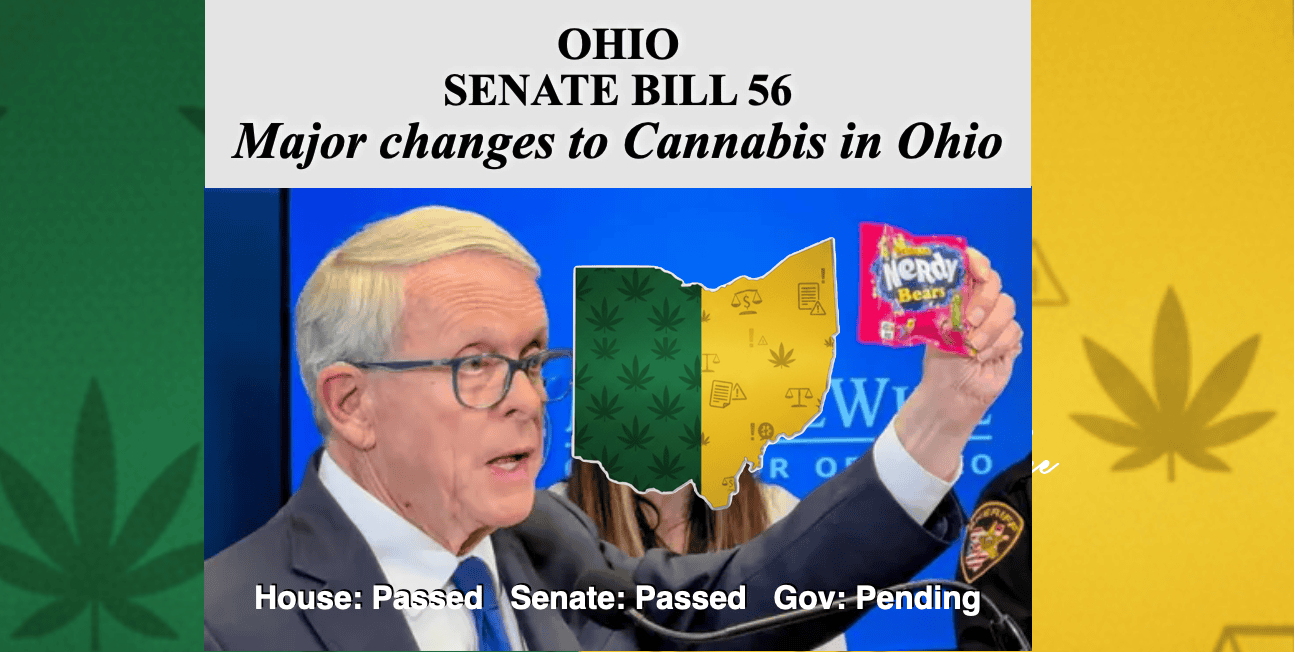
Senate Bill 56 keeps adult‑use legal on paper but adds a long list of new crimes and civil penalties that didn’t exist under Issue 2.
1. Where and how you can buy
All intoxicating hemp products are banned outside of licensed marijuana dispensaries, effective March 20, including delta‑8 and most THC beverages. Purchasing marijuana or intoxicating hemp outside Ohio’s licensed system (for example from an illicit seller or from a dispensary in another state) and possessing it in Ohio becomes explicitly unlawful.
2. Transport and packaging rules
It is now a minor misdemeanor to transport adult‑use or medical marijuana in a vehicle unless it is in its original, unopened package and stored in the trunk or a rear area not accessible to the driver. Edibles must remain in their original packaging at all times when not actively being consumed, even in your own home.
These “original packaging” rules were not part of Issue 2 and create new ways for routine traffic stops to turn into citations.
3. Public and rental-property consumption
No one may smoke, combust or vape marijuana in public places, including bar patios, concert venues, and many other outdoor areas—even if the property owner is fine with it. Landlords may ban smoking, combustion or vaping on rental property, and doing so anyway can be charged as a violation.
Home‑grow remains legal, but the new law reduces the possession limit tied to home growing: more than 2.5 ounces or more than six plants per adult (12 per residence) is now criminal, where the original law only criminalized double those limits.
4. Passengers and workplace / family protections
S.B. 56 also removes several protections built into Issue 2 that were meant to normalize cannabis use for adults. Passengers in vehicles can be cited if there is an open cannabis container; protections against passenger charges are repealed.
Employers are again free to discipline or fire employees for off‑duty cannabis use, even when consumed legally at home, and there is no longer a statutory shield for legal consumers in custody cases or in qualifying for medical procedures such as organ transplants.
In short, legalization no longer comes with meaningful civil‑rights protections.
THC limits and caps on access
S.B. 56 lowers the THC cap on adult‑use concentrates to 70% (down from 90%) and sets potency ceilings for flower and other products. The number of dispensaries statewide is capped at 400, limiting competition and access as the market grows.
Hemp and THC beverages: total ban after DeWine’s veto
Gov. Mike DeWine used a line‑item veto to erase that carve‑out, meaning all intoxicating hemp beverages are banned in Ohio as of March 20, unless sold as marijuana products through licensed dispensaries.
So where does the tax money goes now?
Issue 2 directed the 10% adult‑use excise tax—estimated at about $100 million a year once sales exceed $1 billion in 2026—toward specific public purposes.
Under the voter‑approved plan:
36% was for a social equity and jobs program.
25% was for education, substance‑abuse and addiction treatment programs.
36% was for municipalities hosting dispensaries.
What do adult consumers need to do now?
For adults who choose to use cannabis in Ohio, S.B. 56 means:
Buy only from Ohio‑licensed dispensaries; out‑of‑state purchases are contraband the moment you bring them home.
Keep everything in original, unopened packaging while in your vehicle; store it in your trunk or rear cargo area.
Avoid public consumption—including bar patios, concerts, parking lots, and most outdoor spaces—even where cigarette smoking is allowed.
Respect lease terms; if your landlord bans smoking or vaping, cannabis use there can bring legal and housing consequences.
Don’t assume your job, custody rights, or access to medical care are protected; under S.B. 56, they no longer are.
Ohioans voted to legalize cannabis, but their Legislature has now redrawn the rules to be far narrower—and far riskier—than many realized. Whether voters accept that reality in 2026 and beyond is a political question state leaders may have to confront again.
Follow The Fostoria Free Press for continual updates on Cannabis law in Ohio.