

Too Good for Rice & Beans or Too Good For Help? How #SNAP Entitlement Exposes a Deeper Truth
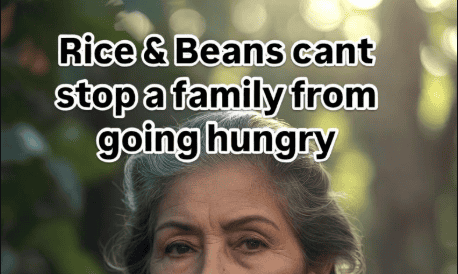
Too Good for Rice & Beans or Too Good For Help? How #SNAP Entitlement Exposes a Deeper Truth
In a world where billions go hungry, the idea that someone on government food assistance might turn up their nose at affordable, nutritious staples like rice and beans sounds almost absurd. Yet, that’s the mindset creeping into parts of our welfare discourse—one where basic, filling foods are seen as beneath certain recipients, while taxpayer dollars fund cravings for pricier or less healthy options.
The Supplemental Nutrition Assistance Program (SNAP), formerly known as food stamps, provides crucial support to over 40 million Americans. It’s designed to supplement grocery budgets for low-income families, emphasizing nutrition. But recent debates reveal a growing sense of entitlement among some recipients: the belief that assistance should cover not just needs, but wants—including high-priced items or junk food.
The “Rice & Beans” Backlash: A Symbol of Entitlement?
Critics often suggest rice and beans as a budget-friendly, healthy foundation for meals on limited funds. They’re cheap, versatile, shelf-stable, and provide complete protein when combined. Generations worldwide have thrived on similar staples.
Yet, online discussions and real-life complaints paint a different picture. Some SNAP users bristle at the idea of “just” eating rice and beans, viewing it as punitive or demeaning. In Reddit threads and TikTok videos, people defend buying shrimp, beef, or snacks, arguing that poor families deserve variety and treats too. One common refrain: “People expect poor people to eat nothing but rice and beans, but come on.”
Fair enough—nobody wants monotony. But when assistance is taxpayer-funded and meant to combat hunger and promote health, should there be limits? Recent complaints highlight the issue: In Missouri, a SNAP recipient named Hannah Moore lamented new state restrictions banning junk food purchases, asking, “What is the point of food stamps if it’s just for ‘real food?’” She worried parents couldn’t buy kids’ favorite snacks anymore.
This reaction underscores a deeper truth: For some, SNAP isn’t seen as temporary help or a nutrition boost—it’s an unrestricted entitlement, where “deserving” means no strings attached, even on unhealthy or luxury choices.
Luxury Foods on Taxpayer Dime: Myth or Reality?
The controversy isn’t new. Stories of SNAP buying lobster, steak, caviar, or Wagyu beef have fueled outrage for years. While rare and often exaggerated, federal rules allow it: SNAP covers any food for home consumption (except hot prepared foods, alcohol, etc.). No bans on “luxury” items exist nationally.
In 2025, high-end groceries like $145 caviar or lobster tails remain SNAP-eligible on platforms like Amazon. Past viral receipts showed purchases of porterhouse steaks and lobster paid fully by benefits. Defenders say these are deals or occasional treats, and studies show SNAP households eat less seafood than average Americans.
Still, the optics sting. When working families skip extras to make ends meet, seeing assistance fund premium items breeds resentment. As one lawmaker put it: Allowing luxury purchases “provides incentive for fraudulent applications and abuse.”
Junk Food: The Real Culprit Draining the Program
More pervasive than rare lobster buys is junk food spending. USDA data shows 20% of SNAP dollars go to sweets, salty snacks, and sugary drinks—with soft drinks topping the list. That’s billions annually on items linked to obesity and diabetes.
Enter 2025’s big shift: Under the “Make America Healthy Again” initiative, the USDA approved waivers for 18 states (including Missouri, Tennessee, Virginia, and others) to ban soda, candy, energy drinks, and prepared desserts starting in 2026. This reverses past denials and aims to refocus SNAP on nutrition.
Proponents argue it’s common sense: Tax dollars shouldn’t subsidize health-harming foods, especially amid America’s obesity epidemic. Critics call it paternalistic, saying it stigmatizes the poor and complicates shopping.
But the entitlement mindset shines through in resistance. If SNAP is truly about nutrition and fighting hunger, why fight restrictions on junk? Rice, beans, fruits, vegetables, lean proteins—these remain fully covered and stretch benefits farther.
The Deeper Truth: Gratitude vs. Entitlement
At its core, this debate exposes a cultural shift. Welfare was once viewed as a safety net—with gratitude and responsibility attached. Today, for some, it’s an unlimited right, where suggesting frugality (like rice and beans) offends.
True compassion means helping those in need without enabling dependency or poor choices. Reforming SNAP to prioritize health isn’t punishing the poor—it’s empowering them. Affordable staples like rice and beans aren’t “too good” for anyone; they’re smart, sustainable, and dignified.
Are some recipients too entitled for basic help? Or is the system failing by not encouraging better habits? As restrictions roll out, the answer may become clearer. One thing’s sure: Taxpayers deserve a program that nourishes bodies—and restores common sense.
What do you think? Is SNAP entitlement a myth, or a growing problem? Share in the comments.
#SNAP #FoodStamps #WelfareReform #MakeAmericaHealthyAgain



Leave a Reply
Want to join the discussion?Feel free to contribute!