

FINDLAY | What’s Next for The Findlay Haitian Community? Some Folks Say Get Out! Other Scream Racism
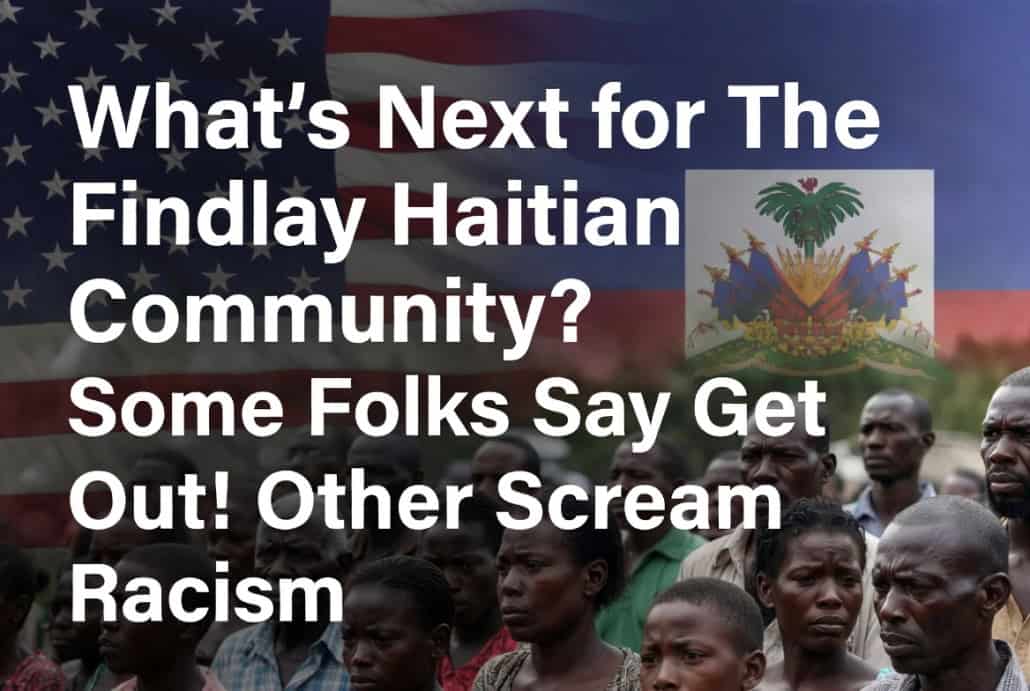
FINDLAY, Ohio — A recent U.S. Supreme Court ruling has cleared the way for the Trump administration to end Temporary Protected Status (TPS) for hundreds of thousands of Haitians living in the United States, including an estimated 1,000 or more in Hancock County and the Findlay area. The decision, issued on June 25, 2026, has left local families, employers, and community leaders grappling with uncertainty as the legal protections—originally granted after Haiti’s devastating 2010 earthquake and extended amid ongoing crises like gang violence and political instability—are set to expire.
TPS has allowed Haitian nationals to live and work legally in the U.S. while conditions in Haiti remain dangerous. In Findlay and surrounding northwest Ohio communities, many Haitians have filled essential roles in manufacturing, food processing, and other industries, contributing to local economies that have struggled with labor shortages. Local officials and business owners have credited the community with helping stabilize the workforce and boosting economic activity.
The Supreme Court Decision and Timeline
The Court’s 6-3 ruling in cases involving Haiti (and Syria) affirmed broad executive discretion in TPS decisions and limited judicial review of the Department of Homeland Security’s determinations. It lifted lower court injunctions that had paused the terminations. While administrative extensions had kept work authorizations valid through mid-2026 in some cases, the ruling paves the way for the protections to end, potentially as soon as July 2026 for many.
For Findlay’s Haitian residents—many of whom arrived in recent years seeking safety and opportunity—the end of TPS could mean loss of work permits, risk of deportation, and upheaval for families with U.S.-born children.
Local Impacts and Community Reactions
Haitian community members in Findlay and nearby areas express fear and sadness. Families who have built lives here—working, paying taxes, and raising children—are now facing the possibility of returning to a country still plagued by violence and instability. Some have already begun exploring options like third-country relocation or legal avenues to stay.
Local leaders highlight the economic stakes. Haitian workers have been vital to filling jobs in factories and plants. Losing a significant portion of the workforce could hurt businesses and the broader economy. Some residents worry about housing, schools, and community services if families leave.
On the other side, some voices in the broader debate call for stricter enforcement, arguing that TPS was meant to be temporary and that resources should prioritize American workers or legal immigration pathways. Comments like “get out” reflect frustration with what they see as prolonged temporary programs.
Critics, including immigrant advocates and some local officials, counter that the push to end TPS for Haitians carries undertones of racism, pointing to the community’s contributions and the dire conditions in Haiti. They “scream racism” at policies perceived as targeting Black immigrants disproportionately. The Supreme Court rejected equal protection claims in the ruling, but debates continue.
What’s Next?
The situation remains fluid. The Department of Homeland Security may issue guidance on implementation, and further legal challenges are possible. For the Findlay Haitian community, short-term steps include consulting immigration attorneys, exploring other visa options, or preparing for potential departure. Local churches, nonprofits, and businesses are stepping up with support.
Findlay Mayor [or relevant official] and county leaders have expressed concern about the human and economic costs, urging calm and communication. Ohio as a whole, with thousands of TPS holders in places like Springfield and Columbus, faces similar ripple effects.
This chapter underscores the complex interplay of humanitarian needs, economic realities, and immigration policy. For the families in Findlay, the question “What’s next?” carries profound personal stakes amid a national debate that shows little sign of easy resolution.
The Fostoria Free Press will continue following developments affecting northwest Ohio’s immigrant communities. Share your thoughts respectfully in the comments or contact us with local perspectives.



Leave a Reply
Want to join the discussion?Feel free to contribute!