

Nepotism in a company quietly poisons the culture, kills motivation, and eventually drives strong employees out the door.
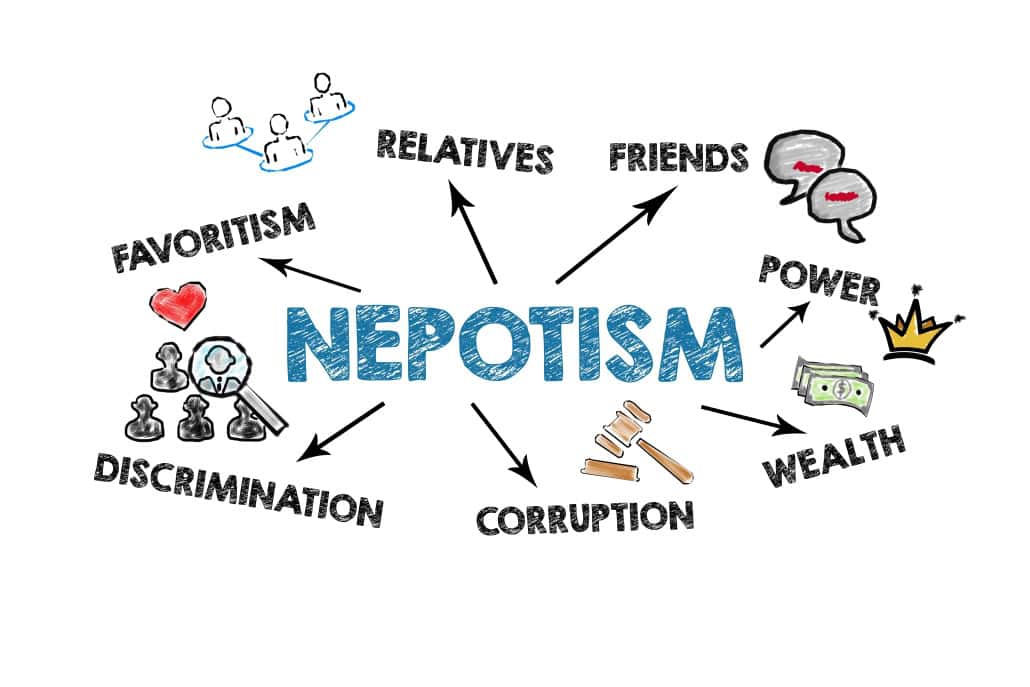
Nepotism in a company quietly poisons the culture, kills motivation, and eventually drives strong employees out the door. Frankly, it tells people that effort and talent do not matter as much as last names and friendships.
How nepotism ruins the vibe
When family members or close friends are given roles, promotions, or special treatment they did not earn, several things happen:
-
Co‑workers start believing the game is rigged, so they stop giving their best effort.
-
Teams divide into “insiders” and “everyone else,” which breeds resentment and gossip instead of trust.
-
Decisions feel personal rather than professional, so feedback, discipline, and performance reviews lose credibility.
In that kind of environment, even one unqualified relative in a key role can drag down morale for an entire department.
Impact on good workers
High‑performing employees usually want three things: fairness, growth, and respect. Nepotism tramples all three.
-
Fairness: When promotions go to relatives regardless of results, top performers realize that no matter how hard they work, they will always hit a ceiling.
-
Growth: Development opportunities, training, and visible projects get handed to favored people, leaving others stuck in place.
-
Respect: Watching an underqualified family member make bad decisions or get away with poor behavior feels insulting, especially to staff who carry the real workload.
Over time, good workers do the math: if loyalty and competence are ignored, their best option is to leave.
Toxic patterns that drive resignations
A few specific behaviors around nepotism are especially destructive:
-
Relatives are shielded from consequences, while others are punished for smaller mistakes.
-
Policies (attendance, performance standards, overtime, remote work) are bent for the “family” and enforced rigidly for everyone else.
-
Conflicts are decided automatically in favor of the family member, even when they are clearly at fault.
-
Leadership roles are treated like inheritance, not something to be earned.
Once people see these patterns as permanent, they stop trusting leadership. And when trust is gone, turnover is only a matter of time.
Why companies should care
Some leaders shrug and say, “This is a family business; that’s just how it is.” That attitude is dangerous.
-
Talented employees leave quietly and take their skills, institutional knowledge, and customer relationships with them.
-
The company’s reputation suffers, making it harder to recruit strong candidates in the future.
-
Innovation slows because no one wants to challenge a bad idea coming from the “protected” circle.
-
In extreme cases, unchecked nepotism can lead to legal and financial risk if favoritism crosses into discrimination or mishandled conflicts of interest.
In other words, nepotism might feel comfortable for the inner circle, but it is expensive and destabilizing for the business.
Healthier alternatives
Companies that want loyalty and low turnover can still involve family—but they need structure and transparency.
-
Clear hiring standards: Relatives go through the same competitive process, qualifications, and interviews as anyone else.
-
Transparent promotion criteria: Raises and promotions are tied to measurable performance, not relationships.
-
Independent oversight: Non‑family managers or an external board help check conflict‑of‑interest decisions.
-
Open feedback: Employees have safe ways to report favoritism and know concerns will be taken seriously.
-
Role boundaries: Family members do not supervise one another when possible, and personal relationships are kept out of performance decisions.
When people see that leadership is serious about fairness, the “vibe” improves quickly: trust grows, productivity rises, and good workers decide to stay instead of planning their exit.



Leave a Reply
Want to join the discussion?Feel free to contribute!