

BREAKING | Tommy Lee Walker Exonerated 70 Years After Wrongful Execution: A Landmark Reckoning with Racial Injustice
Dallas, Texas — January 22, 2026 — In a profoundly emotional and historic moment, Dallas County officials today formally exonerated Tommy Lee Walker, a Black man wrongfully convicted and executed nearly 70 years ago for a crime he did not commit. Walker, executed in Texas’ electric chair in 1956 at age 21, was declared innocent of the 1953 rape and murder of Venice Lorraine Parker, a white woman killed near Dallas Love Field airport.
The Dallas County Commissioners Court unanimously passed a symbolic resolution acknowledging the “profound miscarriage of justice” rooted in overt racism, prosecutorial misconduct, false evidence, and coercive interrogation tactics. The decision brings long-overdue closure to Walker’s family and even the victim’s descendants.
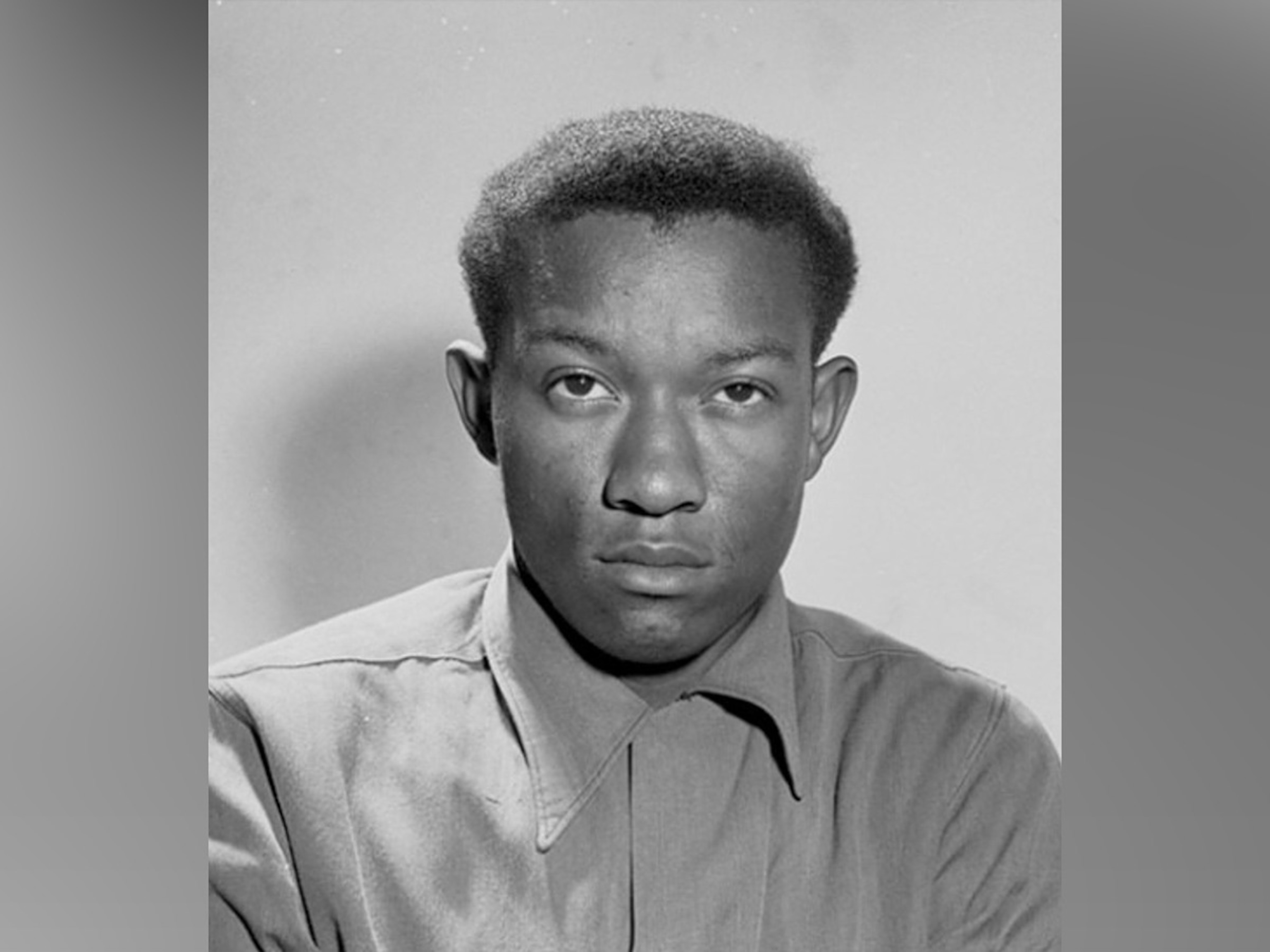
A Case Marred by Racism and Flawed Justice
Walker’s ordeal began in 1953 amid racial tensions following Parker’s brutal murder. With no forensic evidence or eyewitnesses, police rounded up hundreds of Black men for questioning. Walker, then 19, was arrested months later despite a solid alibi: nine witnesses placed him with his pregnant girlfriend on the night of the crime—she gave birth to their son the next day.
A coerced confession, suppressed exculpatory evidence, and inflammatory racial rhetoric sealed his fate. Convicted in 1954 by an all-white jury, Walker maintained his innocence until the end, reportedly declaring “I’m innocent” as his final words before execution in 1956.
The case review, spearheaded by the Innocence Project and Dallas County District Attorney John Creuzot’s Conviction Integrity Unit, uncovered overwhelming evidence of innocence through historical research by Northeastern University law students.

Emotional Reunion and Closure for Families
In a remarkable display of reconciliation, Walker’s son, Edward Lee Smith (now 72), and Parker’s son, Joe Parker, met for the first time at Wednesday’s hearing. Smith, who never knew his father, threw his hands up in relief as the resolution passed, tearfully stating: “This won’t bring him back, but now the world knows what we always knew—that he was an innocent man. And that brings some peace.”
Joe Parker supported the exoneration, calling it a step toward healing for both families.
DA Creuzot, visibly moved, emphasized the importance of confronting historical wrongs: “Acknowledging the truth—that false evidence, misconduct, and overt racism led to the execution of an innocent man—is essential to the integrity of our legal system.”

Broader Implications for Justice Reform
Walker’s posthumous exoneration—the first symbolic one for a wrongfully executed person in Dallas County—highlights the deep racial biases in mid-20th-century Southern justice systems. It echoes other cases, like George Stinney Jr. (exonerated 70 years after his 1944 execution at age 14), underscoring persistent calls to reckon with wrongful convictions and the death penalty’s flaws.
While symbolic, the resolution marks progress in addressing systemic racism. As Innocence Project attorney Chris Fabricant noted, such acknowledgments honor the “unspeakable burden” borne by families for decades.
Walker’s funeral in 1956 drew 5,000 mourners—a testament to community doubt even then. Today, 70 years later, justice—delayed but delivered—finally speaks his name clearly: innocent.



Leave a Reply
Want to join the discussion?Feel free to contribute!