Lawsuit Filed Against Evergreen Poplar LLC “Peltons” by CWS Environmental
/0 Comments/in Environmental, Fostoria, Lawsuits, Seneca County, State Issues/by Editor-in-ChiefOn August 9, 2024, CWS Environmental filed a lawsuit against Evergreen Poplar LLC in the jurisdiction of Wood County, Ohio. The case is identified as 2024CV0469, with attorney Robert J. Bahret representing CWS Environmental.
The Allegations
According to the complaint, CWS Environmental specializes in providing freshwater treatment and wastewater management services to various business entities, including Evergreen Poplar LLC. The lawsuit claims that:
- CWS Environmental provided environmental treatment services to Evergreen Poplar LLC under a written contract (Exhibit A, referenced in the lawsuit).
- The contract explicitly requires the Defendant (Evergreen Poplar LLC) to pay all attorney fees and legal expenses associated with collection efforts, including court costs and court reporter fees.
- The contract includes a 2% finance charge on unpaid balances.
- The services were provided to multiple properties owned by Evergreen Poplar LLC, with some locations within Wood County, Ohio.
- Evergreen Poplar LLC allegedly failed to pay CWS Environmental over $20,000 for services rendered.
- The Ohio Environmental Protection Agency (EPA) certified that all of CWS Environmental’s services were performed correctly, reinforcing the validity of the claims.
Plaintiff Seeks Over $25,000 in Damages
Due to the non-payment, CWS Environmental is demanding judgment in excess of $25,000, which includes:
- The unpaid balance for environmental services.
- Attorney fees and legal costs associated with collecting the debt.
- Any other relief the court deems necessary.
Who Are the Defendants?
Evergreen Poplar LLC is a limited liability company with an address at Poplar Village 12400 Axline St., Fostoria, OH 44830. The entity is also linked to Cogency Global Inc., a corporate compliance and registered agent services provider, located at 3958-D Brown Park Dr., Hilliard, OH 43026.
Legal Representation
The lawsuit was filed by Attorney Robert J. Bahret, a legal representative from Rohrbacher Trimble & Zimmerman Co., L.P.A. based in Toledo, OH.
What This Means
This lawsuit highlights a contractual dispute over unpaid environmental services, bringing attention to potential financial and operational issues within Evergreen Poplar LLC. The case could also impact Cogency Global Inc., which is connected to the defendant.
If the court rules in favor of CWS Environmental, Evergreen Poplar LLC may be required to pay the full amount owed, including interest, legal fees, and additional penalties. A court judgment could also affect Evergreen Poplar’s business reputation and financial standing.
Documents:
CORPORATE CRIME: Seneca County WIN Waste/Sunny Farms Landfill Falsified Inspection Reports
/0 Comments/in Crime, Environmental, Fostoria/by Editor-in-ChiefSENECA COUNTY, OHIO – The Sunny Farms Landfill, operated by WIN Waste Innovations, is under fire after the Seneca County Board of Health issued a resolution declaring its intent to deny the company’s 2025 operating license. The resolution, passed unanimously, accuses WIN Waste of falsifying inspection reports and violating numerous environmental regulations.
At the heart of the scandal lies Ben Nutter, the individual responsible for overseeing landfill operations. Many community members are calling for him to face legal consequences, with some even suggesting jail time for his role in the alleged misconduct.
A Pattern of Noncompliance
The Board of Health resolution outlines a damning series of violations by WIN Waste at Sunny Farms Landfill. Among the most serious allegations is the falsification of inspection reports. According to the resolution, the company maintained an internal inspection log documenting ongoing erosion and ponding issues, while the reports submitted to the Seneca County General Health District (SCGHD) and the Ohio Environmental Protection Agency (EPA) omitted these issues entirely. This discrepancy raises concerns of intentional deception.
Additionally, WIN Waste is accused of:
- Failing to protect the landfill’s intermediate cover from erosion and water damage.
- Neglecting to comply with Ohio Administrative Code requirements for erosion control best practices.
- Violating hydrogen sulfide emission limits specified in its Title V permit.
- Failing to inspect rail cars daily for leaks or spills as required by the conditions of its 2023 and 2024 licenses.
“WIN Waste has failed to comply with its 2023 and 2024 license conditions,” said Dr. Clay Wolph, President of the Seneca County Board of Health. “It does not make sense to issue another operating license with conditions that won’t be followed. The 2023 and 2024 license conditions are more than reasonable and are necessary to safeguard our environment and residents.”
Community Outrage and Calls for Accountability
The revelations have sparked widespread outrage in Seneca County, with residents demanding accountability. Much of the community’s ire is directed at Ben Nutter, whose role in overseeing the landfill has drawn sharp criticism. Many locals argue that Nutter’s failure to enforce compliance and his apparent oversight of falsified reports make him complicit in the scandal.
“Ben Nutter has been the face of oversight for this landfill, yet we’ve seen nothing but failure to protect the community from the environmental hazards this facility poses,” said local activist Karen DuBois. “If these allegations are true, he should face the same consequences as anyone committing fraud—including jail time.”
Several residents have taken to social media to voice their frustrations, with hashtags like #HoldNutterAccountable and #SunnyFarmsFraud trending locally. Activists are organizing town hall meetings to discuss the issue and explore legal action against Nutter and WIN Waste Innovations.
The Path Forward
WIN Waste has 30 days to request a hearing before a hearing examiner, who will issue a recommendation to the Board. The Board’s final decision will determine whether the 2025 operating license is granted or denied. If denied, WIN Waste can appeal the decision to the Environmental Review Appeals Commission (ERAC). In the meantime, the company is permitted to continue operating under its 2024 license, though it has already filed a separate case disputing the conditions of that license.
For many in Seneca County, the stakes couldn’t be higher. Sunny Farms Landfill has long been a source of controversy, with ongoing complaints about odors, groundwater contamination, and public health risks. This latest scandal adds a new layer of mistrust between the community and the landfill operators.
“This isn’t just about a license; it’s about protecting our community from a company that has repeatedly shown it can’t be trusted,” said DuBois. “We need accountability now more than ever.”
A Call for Justice
As the Board of Health moves forward with its proceedings, community members continue to demand answers. Whether through civil penalties or criminal charges, residents insist that both WIN Waste and Ben Nutter be held responsible for their roles in this environmental and ethical failure.
The coming months will reveal whether the legal system and regulatory bodies are prepared to take meaningful action or if Sunny Farms Landfill will remain a symbol of unchecked corporate malpractice in Seneca County.
Seneca County General Health District Denies Sunny Farms Landfill License Again
/0 Comments/in Environmental/by Editor-in-ChiefIn a significant development during their latest meeting, the board once again denied the annual operating license for WIN Waste Innovations, formerly known as Sunny Farms Landfill, located in Fostoria, Ohio. The denial marks a continuation of the department’s stringent oversight of the landfill’s operations. WIN Waste Innovations is part of Tunnel Hill Partners, the largest waste-by-rail company in the United States.
This decision underscores ongoing concerns about the landfill’s impact on the local environment and community. Residents and stakeholders have long expressed frustrations over odor issues and environmental risks linked to the landfill, which has been a contentious issue in the region for years.
As the health board reinforces its stance, the spotlight remains on WIN Waste Innovations and its ability—or inability—to meet regulatory standards and community expectations. The public will be closely watching for further updates from Thursday’s meeting and any subsequent developments regarding the landfill’s future.
Seneca County Board of Health unanimously votes to file an appeal against the landfill expansion
/0 Comments/in Environmental/by Editor-in-ChiefSEPTEMBER 26 – Seneca County Board of Health voted unanimously to file an appeal against the landfill expansion. Ohio EPA has approved final permits allowing WIN Waste Innovations of Seneca County, formerly known as Sunny Farms, to proceed with plans to expand its municipal solid waste landfill located in Fostoria, Ohio. Ohio EPA approved construction to begin for 94 of the requested 218-acre expansion.
Parent company Tunnel Hill Partners is the largest waste by rail company in the country. Win Waste Innovations along with other names the company comes up with are all owned by THP. CSX is also the largest waste transporter in the United States. These companies continue to use dilapidated rail cars with waste falling out.
Fostoria’s Surface & Groundwater at High Risk of Contamination: The Dangers of Uncovered Rail Cars
/0 Comments/in Environmental/by Editor-in-ChiefWhat are the health risks of living near a landfill topped with radioactive fly ash?
/0 Comments/in Environmental/by Editor-in-ChiefLiving near a landfill topped with radioactive fly ash can pose several significant health risks due to potential exposure to radiation and other hazardous substances. Here are some of the health risks associated with such proximity:
- Radiation Exposure: Radioactive fly ash contains radioactive isotopes, such as uranium and thorium, which emit ionizing radiation. Prolonged exposure to ionizing radiation can increase the risk of various health problems, including cancer, genetic mutations, and other radiation-related illnesses.
- Airborne Contaminants: Fly ash can become airborne through processes such as wind dispersion or transportation activities around the landfill site. Inhaling airborne particles containing radioactive materials can lead to respiratory issues, such as lung cancer, asthma, and other respiratory diseases.
- Groundwater Contamination: Landfills can contaminate groundwater through the leaching of hazardous substances from waste materials. Radioactive fly ash may contain heavy metals and other toxic chemicals that can seep into the groundwater, posing risks to nearby residents who rely on groundwater as a source of drinking water. Consumption of contaminated groundwater can lead to various health problems, including kidney damage, neurological disorders, and certain types of cancer.
- Soil Contamination: Radioactive fly ash can contaminate the soil surrounding the landfill, potentially affecting agricultural lands or residential areas. Contaminated soil may expose individuals to radiation through direct contact or ingestion of contaminated food grown in the affected area.
- Health Effects on Wildlife: Contaminated environments can also impact wildlife living in the vicinity of the landfill. Exposure to radiation and other hazardous substances may lead to reproductive abnormalities, developmental disorders, and reduced biodiversity in affected ecosystems.
- Long-Term Health Impacts: The health effects of exposure to radioactive materials may not manifest immediately and can take years or even decades to become apparent. Long-term exposure to low levels of radiation can increase the risk of developing cancer, cardiovascular diseases, and other chronic health conditions over time.
Overall, living near a landfill topped with radioactive fly ash poses significant health risks due to potential exposure to radiation and other hazardous substances. It’s essential for regulatory authorities to monitor and mitigate these risks through proper waste management practices, containment measures, and environmental monitoring to protect the health and well-being of nearby communities. Individuals living in proximity to such sites should also take precautions to minimize their exposure to contaminants and seek appropriate medical advice if they experience any symptoms of exposure-related health issues.
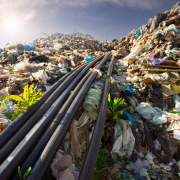
Top 10 potential hazards within a 10-mile radius of SUNNY FARMS LANDFILL.
/0 Comments/in Environmental/by Editor-in-ChiefLandfills like Sunny Farms, despite compliance with environmental regulations and the implementation of advanced waste management technologies, can still pose potential health and environmental hazards, especially in nearby areas. The effects may vary based on the landfill’s management practices, the types of waste accepted, and the proximity of populations. Here’s an overview of potential hazards within a 10-mile radius of a landfill.
Top 10 Human Health Hazards
- Air Pollution: Landfills emit various gases, including methane, carbon dioxide, and volatile organic compounds (VOCs), which can affect air quality and respiratory health.
- Water Contamination: Leachate, a liquid byproduct of waste decomposition, can contaminate groundwater and surface water, posing risks to drinking water sources.
- Soil Contamination: Hazardous chemicals can leach into the soil, affecting agricultural productivity and potentially entering the food chain.
- Odor: The decomposition of waste produces foul odors, which can affect the quality of life and mental well-being of nearby residents.
- Noise Pollution: Operations at the landfill, including the movement of trucks and heavy machinery, can generate significant noise.
- Vector-Borne Diseases: Landfills attract rodents and insects, which can transmit diseases to humans.
- Chemical Exposure: Individuals may come into contact with hazardous chemicals, either through air, water, or soil, leading to acute or chronic health issues.
- Mental Health Impacts: The presence of a landfill can lead to stress, anxiety, and depression among local residents due to environmental concerns and decreased property values.
- Physical Injuries: For individuals accessing the landfill site, either legally or illegally, there’s a risk of physical injury from machinery or hazardous waste.
- Visual Impact: The sight of a landfill can negatively impact mental health and reduce the aesthetic and recreational value of the landscape.
Top 10 Environmental Hazards
- Habitat Destruction: The development and expansion of landfills can lead to the loss of habitats for plants and animals.
- Water Pollution: Leachate and runoff from the landfill can harm aquatic ecosystems and reduce water quality.
- Air Pollution: Emissions from the landfill, including greenhouse gases and VOCs, contribute to climate change and air quality degradation.
- Soil Degradation: The accumulation of waste can alter the chemical composition of the soil, affecting local flora and fauna.
- Resource Consumption: The operation of landfills requires significant amounts of land and can lead to the overuse of local resources, such as water for dust control.
- Visual Pollution: Landfills can detract from the natural beauty of an area, affecting tourism and local enjoyment of the landscape.
- Noise Pollution: The constant noise from landfill operations can disturb wildlife and disrupt natural habitats.
- Thermal Pollution: The decomposition process can increase the temperature of surrounding environments, affecting local ecosystems.
- Chemical Leaks and Spills: Accidental releases of hazardous materials can have immediate and long-term effects on the environment.
- Reduction in Biodiversity: The disruption of ecosystems and habitats can lead to a decline in biodiversity, affecting ecosystem services and resilience.
While Sunny Farms Landfill’s operations are designed to minimize these risks through compliance with regulations and the implementation of modern waste management technologies, ongoing monitoring and community engagement are essential to address any emerging health and environmental concerns.
Follow us on Facebook
Recent Posts
- SENECA COUNTY | PIVOT Recovery Court Serving Tiffin & Fostoria Awarded $190,000 State Grant October 16, 2026
- FOSTORIA | Council Bans Feeding Geese & Ducks at Reservoirs, Moves Ahead on McDougal Street Waterline October 16, 2026
- ARCADIA | New Doppler Radar Atop Village Water Tower Aims to Close NW Ohio’s Weather Radar Gap October 16, 2026
