
FINDLAY | Treasury Designates Census Tract 9.02 as Hancock County’s Only Opportunity Zone 2.0
FINDLAY — The U.S. Department of the Treasury has designated Findlay Census Tract 9.02 as Hancock County’s only federal Opportunity Zone 2.0, the City of Findlay said in a news release Tuesday.
The 10-year designation takes effect Jan. 1, 2027, and covers a tract the city identified by GEOID 39063000902. Officials said it is a tool to attract private investment in housing, business expansion and neighborhood redevelopment.
“I’m excited about what this designation could mean for Findlay’s existing neighborhoods,” Mayor Christina Muryn said in the release. “As we focus on revitalization, this gives us another way to attract private investment that can bring vacant or deteriorating properties back into use, create more housing options, and help neighborhood businesses grow.”
The city said it worked with Findlay-Hancock County Economic Development to submit four census tracts to the Ohio Department of Development, which reviewed the submissions with Gov. Mike DeWine’s office. Ohio then nominated Tract 9.02, and Treasury approved it as one of 260 new Opportunity Zones in Ohio, including 96 in rural communities, according to the city’s release.
Treasury and the Internal Revenue Service announced the new Qualified Opportunity Zone designations nationwide on Nov. 5, saying they take effect Jan. 1, 2027, and last 10 years — the same timeline the city described for Findlay’s tract. The city said the updated program offers enhanced incentives for investment in rural tracts like Findlay’s that meet federal economic eligibility criteria.
“Findlay’s Opportunity Zone gives local investors a new way to put their capital to work close to home,” said Matt Gilroy, director of Findlay-Hancock County Economic Development. “We look forward to working with investors, property owners, and businesses to identify projects where this incentive can help move a redevelopment or expansion forward.”
According to the city, investors who realize an eligible capital gain from the sale of an asset such as stock or real estate can generally reinvest some or all of that gain in a Qualified Opportunity Fund within 180 days. The fund can invest in qualifying projects in the designated tract, such as rehabilitating a vacant building, developing housing or expanding a neighborhood business, the city said. Investors can generally defer federal tax on the reinvested gain for up to five years. Those who hold a qualifying investment in a Qualified Rural Opportunity Fund for at least five years can generally reduce the taxable portion of the original gain by 30%, and after at least 10 years may also be able to exclude qualifying gains on the fund investment itself, the city said.
Those tax rules are the city’s summary of the federal program and can depend on an investor’s circumstances. Property owners and investors should confirm eligibility with official federal sources and a tax professional.
The city described the tract as extending from West Trenton Avenue on the north to West Lima Street on the south, with Main Street as its eastern edge. The western boundary extends west of Interstate 75 near West Trenton Avenue and follows part of Western Avenue farther south, the release said.
To confirm whether a property is in the zone, the city directed people to the U.S. Census Bureau’s address lookup and the federal Opportunity Zones map at cdfifund.gov/opportunity-zones.
The city said it will work with Findlay-Hancock County Economic Development to decide whether to establish a local Qualified Opportunity Fund or work with existing funds. Officials said they will share more information as that work proceeds, including how investors, property owners and businesses can participate.
The full release is posted in the City of Findlay newsroom.
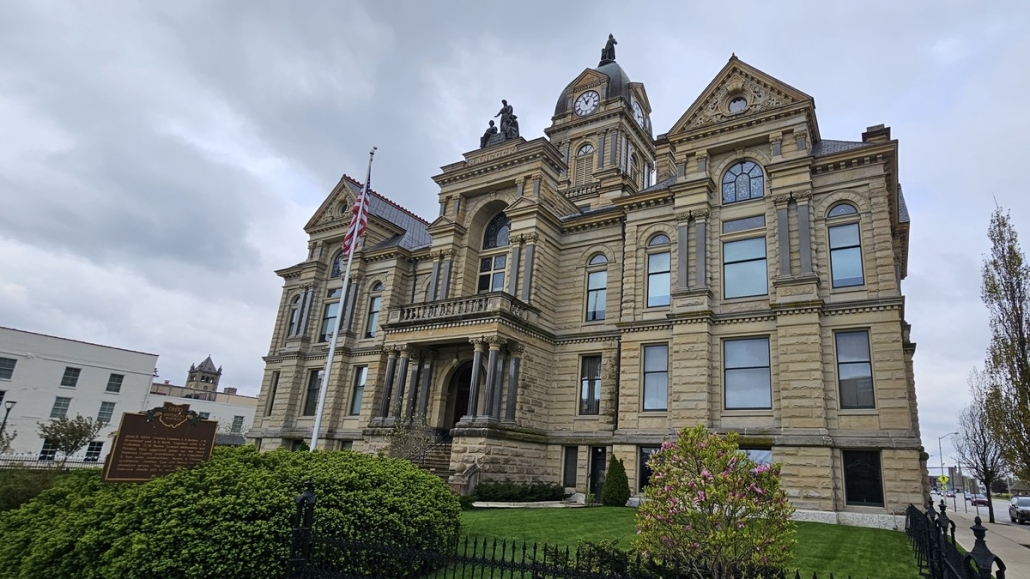
Photo: JJonahJackalope / Wikimedia Commons, CC BY-SA 4.0. Cropped.



Leave a Reply
Want to join the discussion?Feel free to contribute!