

Teaching Firearm Safety at a Young Age: Could It Help Spot and Prevent School Shooter Mindsets Early?

In an era where school shootings remain a tragic reality in the United States, innovative approaches to prevention are urgently needed. One provocative idea gaining traction is reintroducing firearm safety education to young children—not just to teach safe handling, but as a window into their behaviors and attitudes toward safety and life. Programs like the NRA’s Eddie Eagle have long aimed to prevent accidental injuries, but could structured gun safety lessons also reveal early red flags for violent tendencies? By observing how kids interact with the material, educators, parents, and mental health professionals might identify disregard for rules, fascination with harm, or other warning signs associated with school shooters. This could enable tailored interventions, from specialized learning plans to mental health treatments. While promising, the concept is not without controversy, as critics worry about normalizing firearms or exposing kids to unnecessary risks.
The Landscape of Youth Firearm Education Programs
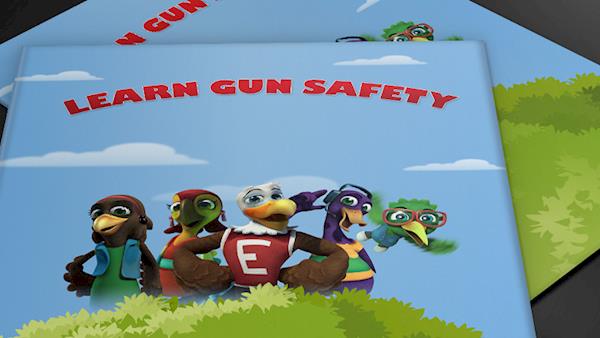
Firearm safety education for children isn’t new. The NRA’s Eddie Eagle GunSafe program, launched in 1988, targets kids from pre-K through fourth grade with a simple message: “Stop! Don’t Touch. Run Away. Tell a Grown-Up.” Delivered through cartoons, activities, and school presentations, it has reached over 32 million children via more than 28,000 schools and law enforcement agencies. The program focuses on preventing accidental shootings by teaching avoidance rather than handling skills, and it’s been praised by some outlets like the Journal of Emergency Nursing as an effective accident prevention tool.
However, evaluations paint a mixed picture. A 2004 study comparing Eddie Eagle to behavioral skills training found that while it increased knowledge, it didn’t always translate to safer behaviors in real scenarios, especially for very young children. A 2002 AAP Grand Rounds review noted that comprehensive courses had no significant effect on reducing play with guns among small children. Critics, including the American Academy of Pediatrics and Everytown for Gun Safety, argue it’s ineffective and even misleading, with unintentional child shootings rising despite its reach. On the flip side, a 2023 study showed that a gun safety video reduced unsafe behaviors around real guns, suggesting visual education can influence actions.
Beyond Eddie Eagle, other initiatives like behavioral skills training (using role-playing and reinforcement) have shown promise in teaching kids to avoid found firearms. A RAND study linked firearm safety training requirements to lower school shooting injuries and fatalities, hinting at broader preventive effects.
Linking Gun Education to Early Detection of Risky Behaviors
The psychology of school shooters often reveals patterns that could intersect with firearm education. FBI research on active shooters from 2000-2013 identified pre-attack behaviors like leakage (hinting at plans), noticeable crises, suicidal ideation, and changes in behavior. Sandy Hook Promise outlines warning signs such as social withdrawal, bullying, or fixation on violence. A 2021 study noted most school shooters exhibit psychological issues like depression or defiance beforehand. Leakage—sharing intentions via social media or conversations—is a major red flag in over half of cases.
In a gun safety class, these traits might surface. For instance, a child showing undue excitement about harming others, disregarding safety protocols, or simulating violent acts could signal deeper issues. Behavioral skills training, which involves hands-on scenarios, might amplify this detection. A 2023 community intervention study monitored firearm safety behaviors in families, suggesting education can highlight risky attitudes. Moreover, studies link youth firearm access to higher depression, suicidal thoughts, and unsafe perceptions, implying education could serve as a screening tool.
Public discourse on X echoes this: Recent posts discuss how teaching gun respect early might weed out “red flags” like apathy toward life, with some users arguing it empowers adults to intervene before escalation. Others counter that it risks traumatizing kids or normalizing weapons.
Potential Risks and Counterarguments
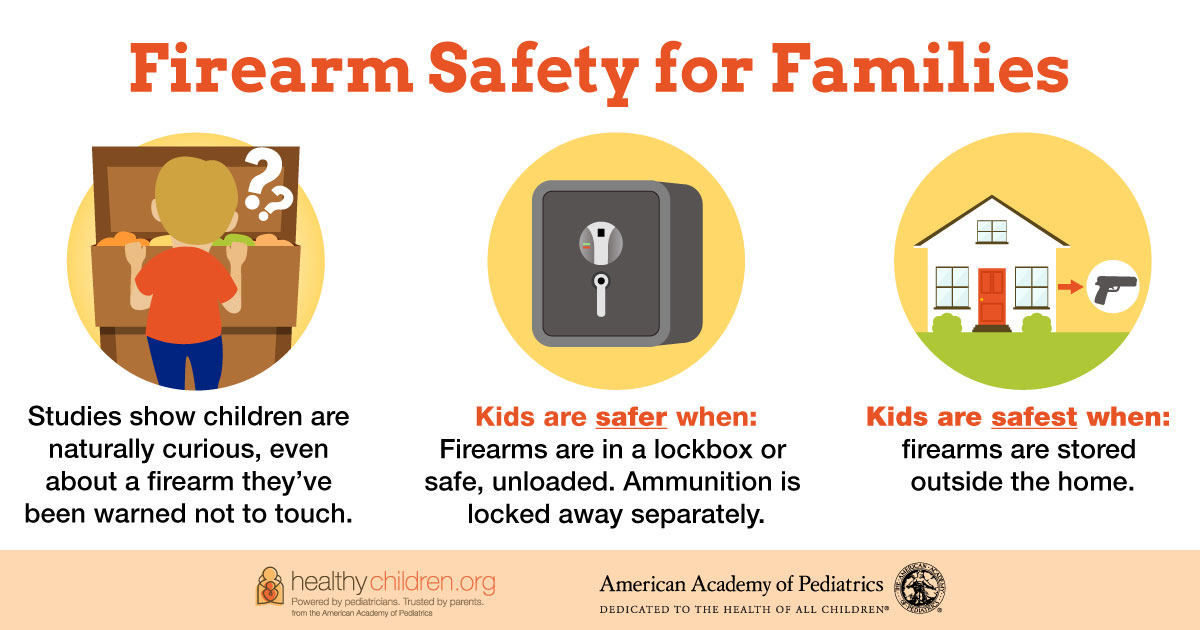
Not everyone agrees this approach would prevent school shootings. A Rutgers study paradoxically found that parents who taught kids to shoot were over twice as likely to store guns unsafely, potentially increasing access risks. Exposure to gun education might desensitize children or spark curiosity leading to accidents—three million kids witness shootings annually, with lasting psychological effects like PTSD. The CDC emphasizes community-based prevention over school mandates, focusing on secure storage and mental health support rather than youth education alone.
Young children (under 8) often can’t retain or apply safety lessons effectively, as per AAP findings. Mental health screening via gun classes could stigmatize kids or overlook non-gun-related threats.

Empowering Adults for Intervention
If implemented thoughtfully, gun safety education could integrate with existing systems. Educators might flag behaviors for parents and doctors, leading to personalized plans—like therapy for aggression or counseling for trauma. The Society for Adolescent Health and Medicine advocates comprehensive strategies addressing firearm access and mental health. A Chicago clinic study screened youth for firearm violence exposure, identifying high-risk individuals for intervention. This holistic model—combining education, observation, and treatment—could catch issues early, potentially averting tragedies.
A Path Forward: Research and Caution
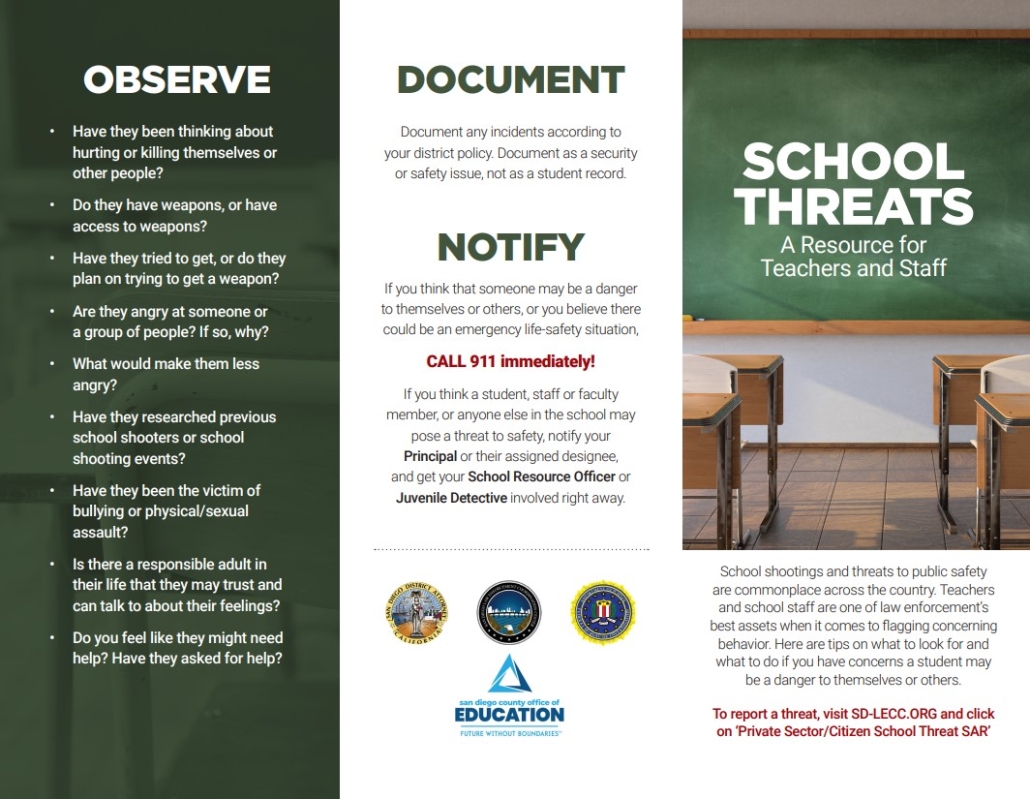
Reintroducing firearm safety education holds intriguing potential for early detection of dangerous mindsets, but it’s no silver bullet. Evidence supports its role in reducing accidents, yet links to preventing intentional violence remain speculative. More studies are needed on integrating behavioral assessments into programs. In the meantime, prioritizing mental health resources, anonymous reporting, and secure storage might yield faster results. As debates rage, one thing is clear: Protecting kids requires vigilance beyond the classroom—starting with spotting those subtle signs that could save lives.
